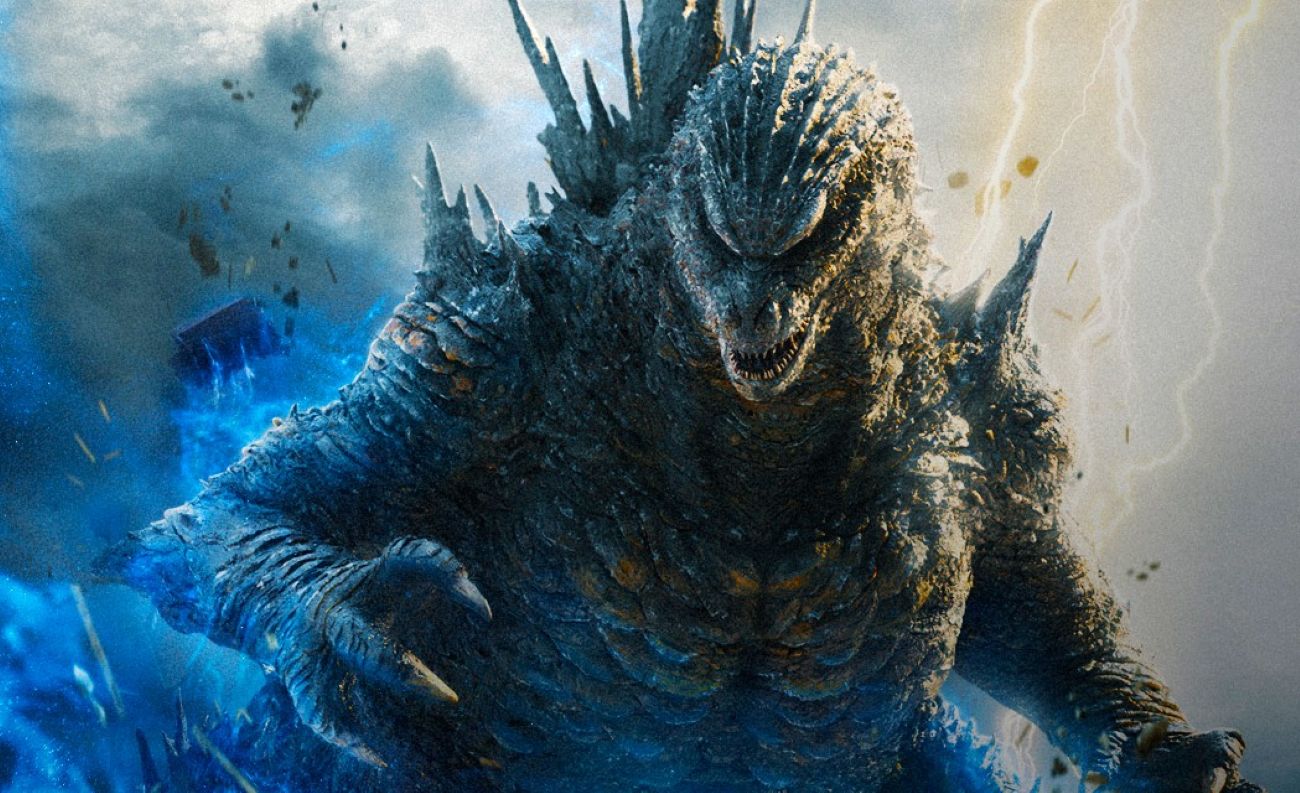
If you thought Godzilla Minus One was a fluke, think again.
Made for just $15 million, that film was an appropriately huge hit in 2023, grossing more than $115 million at the worldwide box office before taking home several industry awards, including the Academy Award for Best Visual Effects.
Now, director Takashi Yamazaki is back with Godzilla Minus Zero, a bigger, bolder sequel that delivers spectacular monster action and good old-fashioned Japanese kaiju insanity, while remembering that the real damage isn’t always the stuff you can see getting crushed under a giant, radioactive reptilian foot.
The new movie jumps ahead to 1949, two years after Godzilla’s devastating rampage left Japan struggling to rebuild. Former kamikaze pilot Kōichi Shikishima (Ryunosuke Kamiki) is trying to put his life back together with his wife, Noriko (Minami Hamabe), and their adopted daughter, Akiko. But just as this makeshift family begins to find some semblance of peace, another monstrous threat emerges, throwing the country into fresh chaos. With a new creature threatening Japan, Kōichi and a team of determined scientists and military minds (led by Kenji Noda, played by Hidetaka Yoshioka) must figure out how to stop the destruction before there’s nothing left to save. And, naturally, Godzilla has unfinished business of his own.
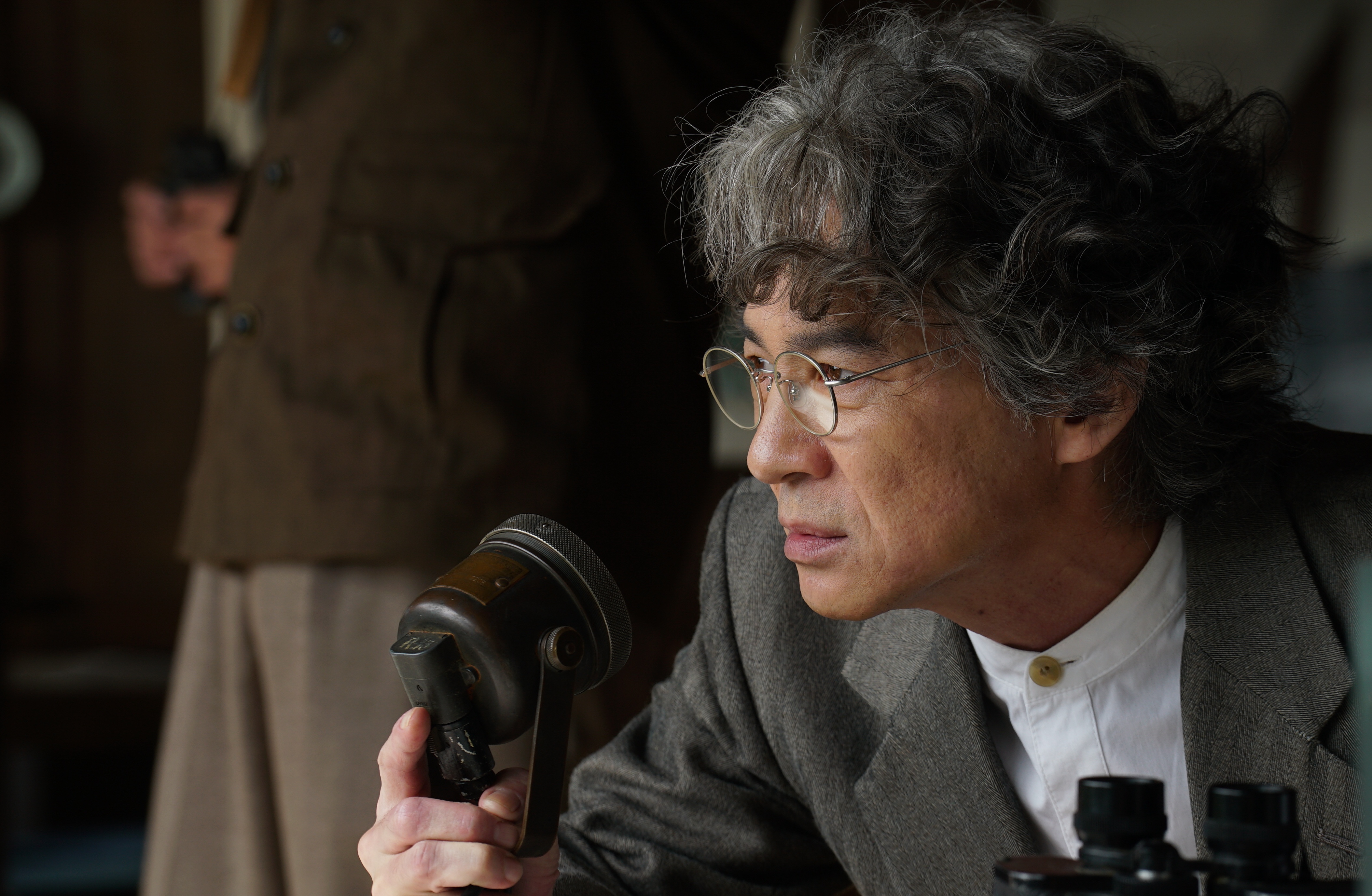
Let me be honest about something before we go much further: I never saw Minus One in theaters, and when I finally watched it at home on Netflix recently, I wasn’t blown away. I just couldn’t get into it, and I found much of the movie kind of silly. Turns out, what was missing was the scale. Minus Zero is a huge movie — 75 of its 135 minutes were filmed for IMAX in its exclusive Expanded Aspect Ratio — and I’m so glad I saw it in a theater with a giant screen and loud speakers. That made all the difference.
Why? Because, again, the visual effects are spectacular. The monster battles are enormous, terrifying, and gloriously bonkers, with destruction that feels genuinely consequential rather than just another excuse to show off the film’s CGI budget and impressive sound design. Godzilla remains an absolute beast, and the new threat gives the filmmakers plenty of fresh opportunities to unleash cinematic hell.
Just don’t get the wrong idea: This isn’t your typical American Godzilla extravaganza, where skyscrapers fall, monsters throw hands (or, rather, claws), and the human characters mostly exist to shout at computer screens. (Fun as those movies can be.) Here, the mayhem actually means something.
Indeed, the film’s real secret weapon isn’t the effects; it’s the human story. The characters here aren’t simply dodging monsters; they’re wrestling with the psychological wreckage of war. Trauma, survivor’s guilt, regret, and the desire for revenge loom over the story like Godzilla himself. People are trying to rebuild their lives while carrying ghosts they can’t outrun, and the arrival of another existential threat forces them to confront whether they can bear to lose everything all over again.
That emotional grounding makes the spectacle hit harder. Every explosion has consequences. Every desperate plan carries weight. And beneath all the monster-sized mayhem is a surprisingly poignant question: How do you move forward when the past refuses to stay buried?
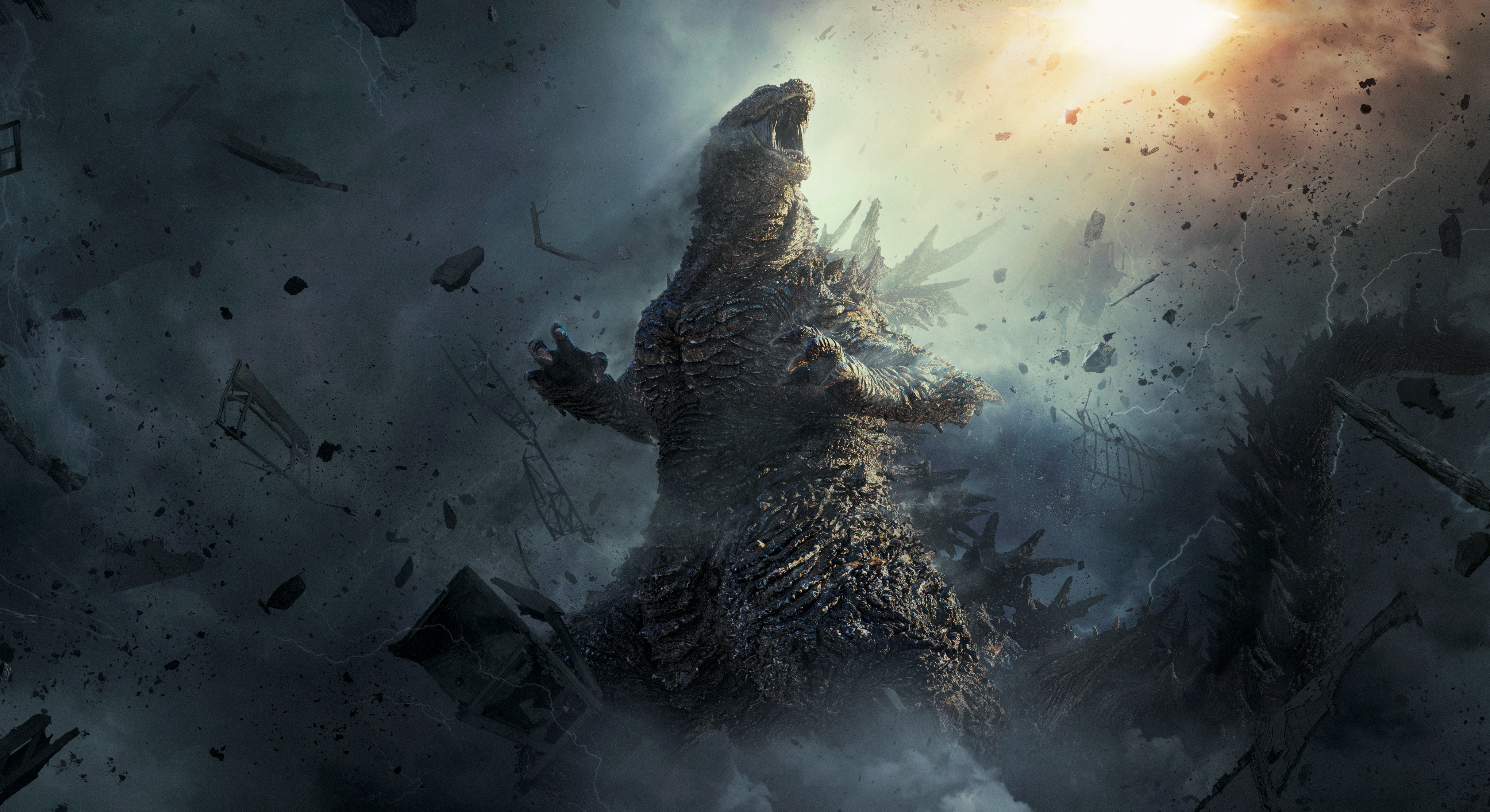
To that end, it’s worth noting that Minus Zero is the first film in Godzilla history to earn an R-rating. Yamazaki has said he wanted to capture what a kaiju attack would actually feel like through the eyes of ordinary people caught in the path of a walking catastrophe. And damn, does he succeed. The destruction is often genuinely terrifying, with an added layer of raw, visceral intensity that makes you feel less like you’re watching a monster movie and more like you’re desperately trying to survive one.
Yet for all its modern technical wizardry, Minus Zero still feels, looks, and sounds like a classic Japanese Godzilla movie — the kind that would’ve played in theaters during the 1960s and ’70s — only with 2026 technology and a considerably bigger budget (relatively speaking, anyway, compared to Hollywood standards). The score, by Naoki Satō, honors the classic Godzilla musical tradition.
Godzilla Minus Zero may occasionally go bigger when you’d hope it would go deeper, and there’s one character in particular I was hoping would not make it to the end credits (you’ll know who I’m talking about pretty quickly). But Yamazaki understands what makes this franchise special when it’s firing on all cylinders. This is a monster movie with brains, guts, and a beating heart.
You’ll come for the giant-monster carnage, but you’ll stay for the emotional damage. Godzilla is the King of the Monsters, and he deserves the big screen. So does this movie.
I’m giving Godzilla Minus Zero a B+.


What say you? Leave a comment here.