Few lines in the English language are as well known or carry as much weight as “To be, or not to be.”
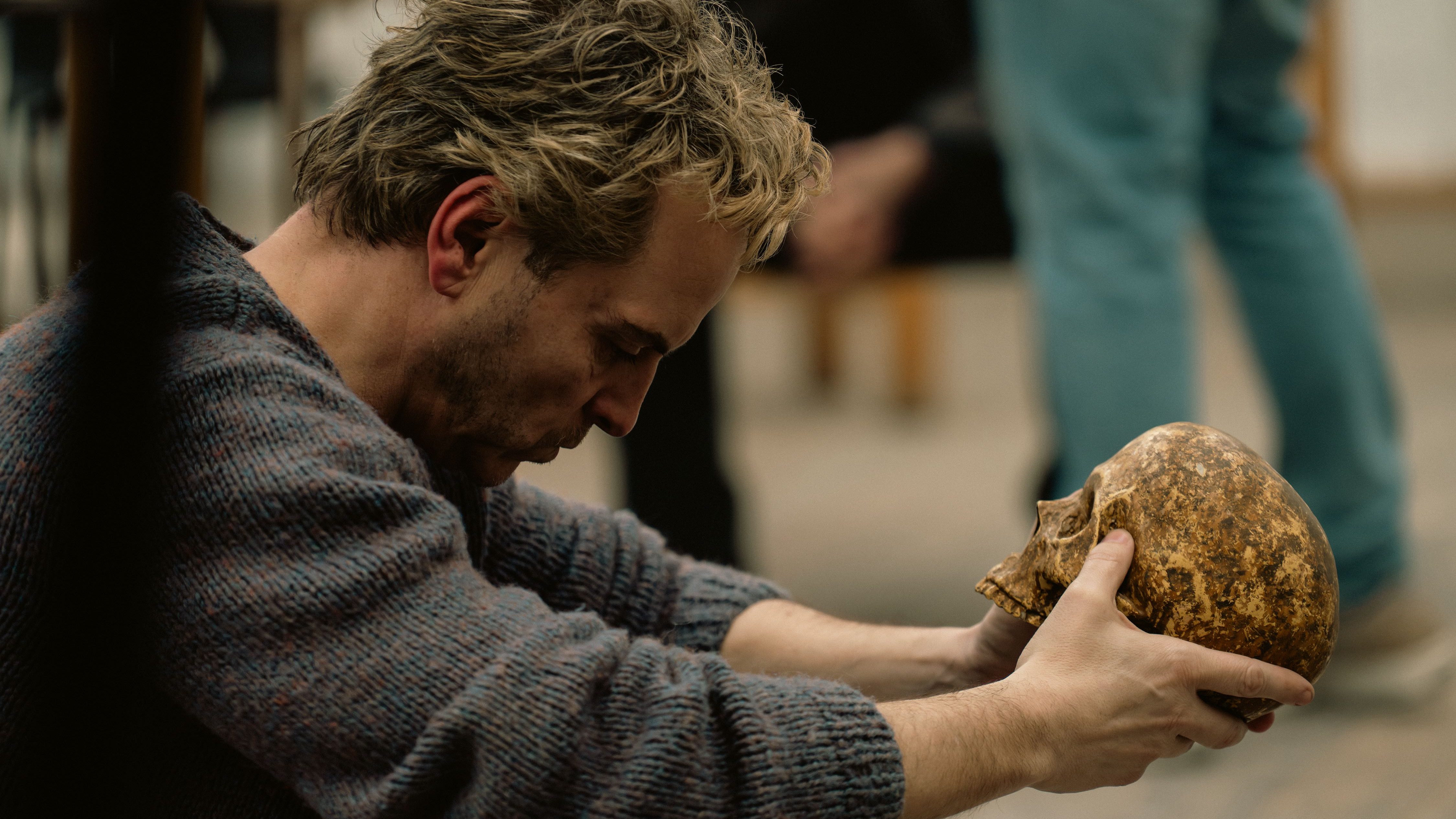
They take on an especially profound meaning in Elsinore, director Simon Stone’s beautiful and deeply affecting film about an actor confronting his own mortality while preparing to star in one of William Shakespeare’s most famous plays.
Anchored by a magnificent performance by Andrew Scott, the film is a moving exploration of life, death, friendship, and the extraordinary power of art to give meaning to even our most difficult experiences.
The innocence of childhood is something that should never be tampered with.
When you’re a kid, you tend to believe the world is a pretty safe place. You trust that your parents and other adults know what they’re doing and that the people who love you will always be there to protect you from the bad stuff.
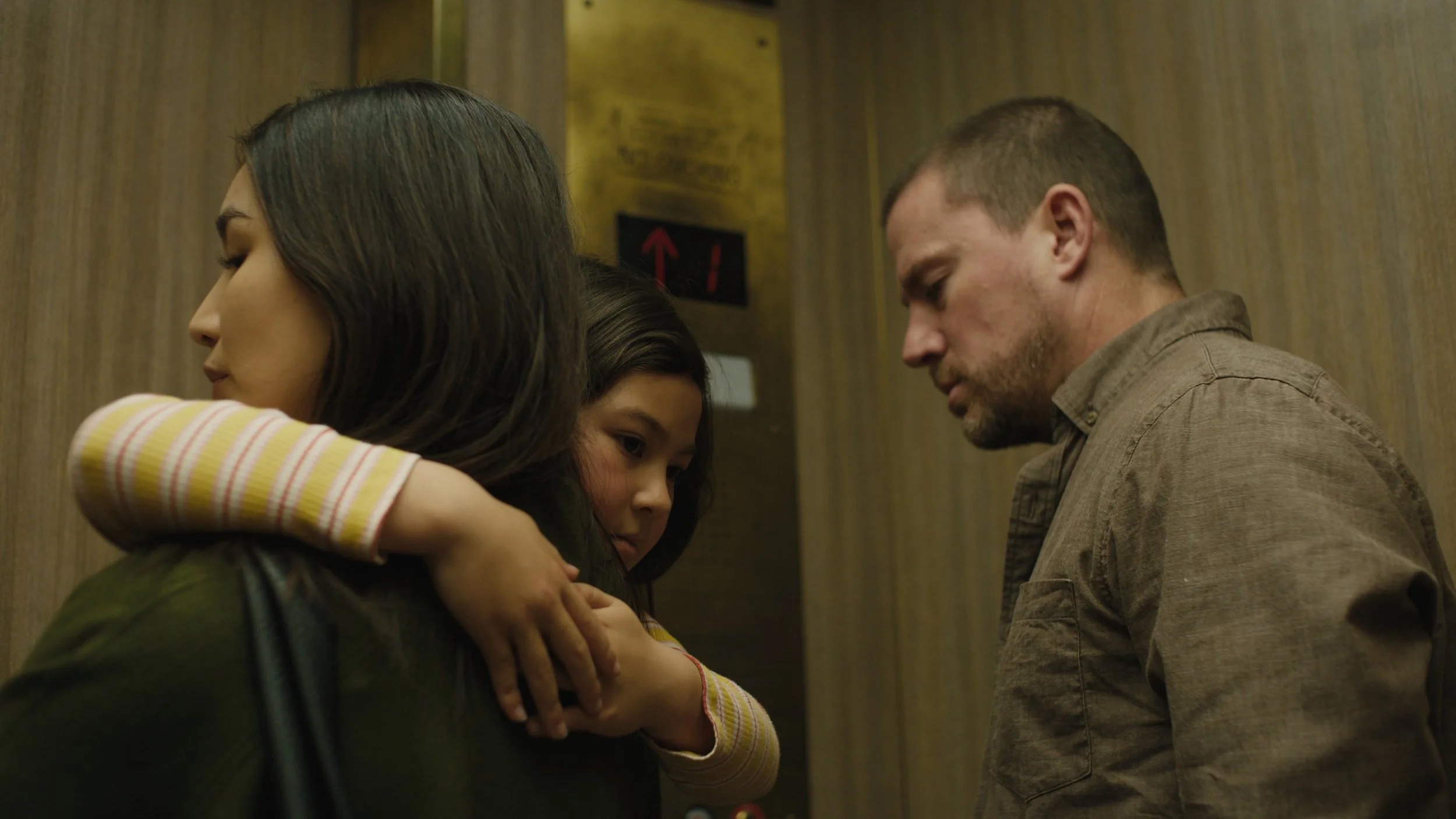
Well, Josephine shatters that myth. It captures the painful, frightening moment when that sense of security falls apart.
In 2026, everybody knows who Sylvester Stallone is. He’s a household name the world over.
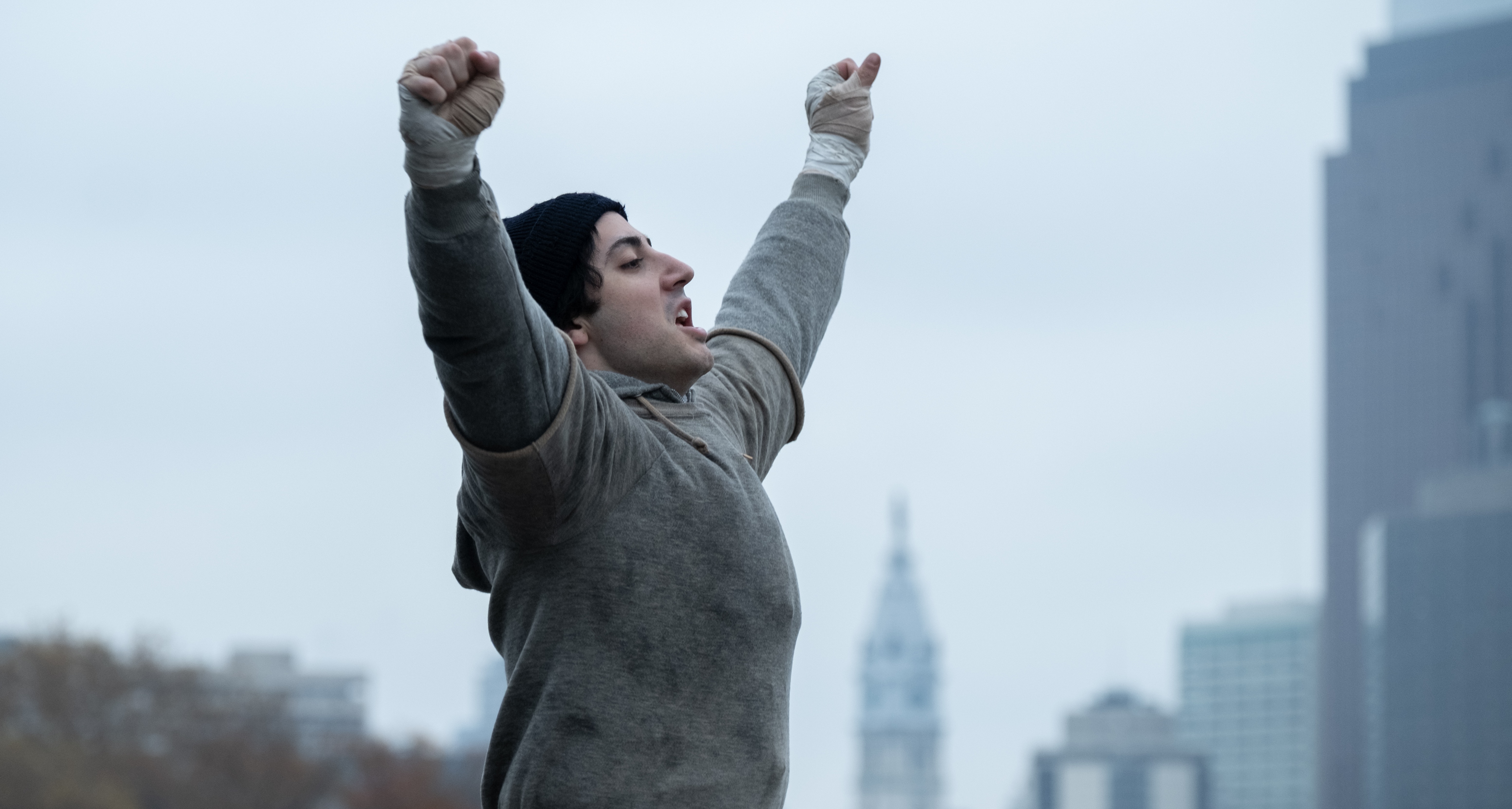
But in the early 1970s, Sly was “Mike,” a largely unknown actor trying to make it in Hollywood. Director Peter Farrelly (Green Book) takes us back to those earlier, pre-stardom days in I Play Rocky, a behind-the-scenes look at the unlikely creation of one of the greatest sports movies ever made.
We see Sly (Anthony Ippolito) struggling to support his pregnant wife, Sasha (AnnaSophia Robb, The Way Way Back), and getting nowhere with auditions, told repeatedly he’s both “too Italian” and “not Italian enough” to star in the wave of mob films unleashed by the enormous success of The Godfather and its sequel.
That’s when Sasha suggests Sly take fate into his own hands and write a script that would allow him to prove himself once and for all. The rest, as they say, is history.
It would be all too easy to dismiss Jordan Firstman’s Club Kid as an LGBTQ-oriented take on Big Daddy, the 1999 comedy in which Adam Sandler plays an unmotivated slacker who unexpectedly becomes a kid’s guardian, because that’s basically what it is.
Which isn’t to say Club Kid is a bad movie. Far from it. But if you’ve seen the Sandler film — or any of the countless other movies about a commitment-phobic or immature adult suddenly thrust into a parental role — you basically know what to expect.
And that’s part of what makes this new film — Firstman’s, ahem, first time as a feature film writer and director — so compelling: It takes a story we’ve seen a hundred times before and gives it fresh energy, style, and emotional punch.
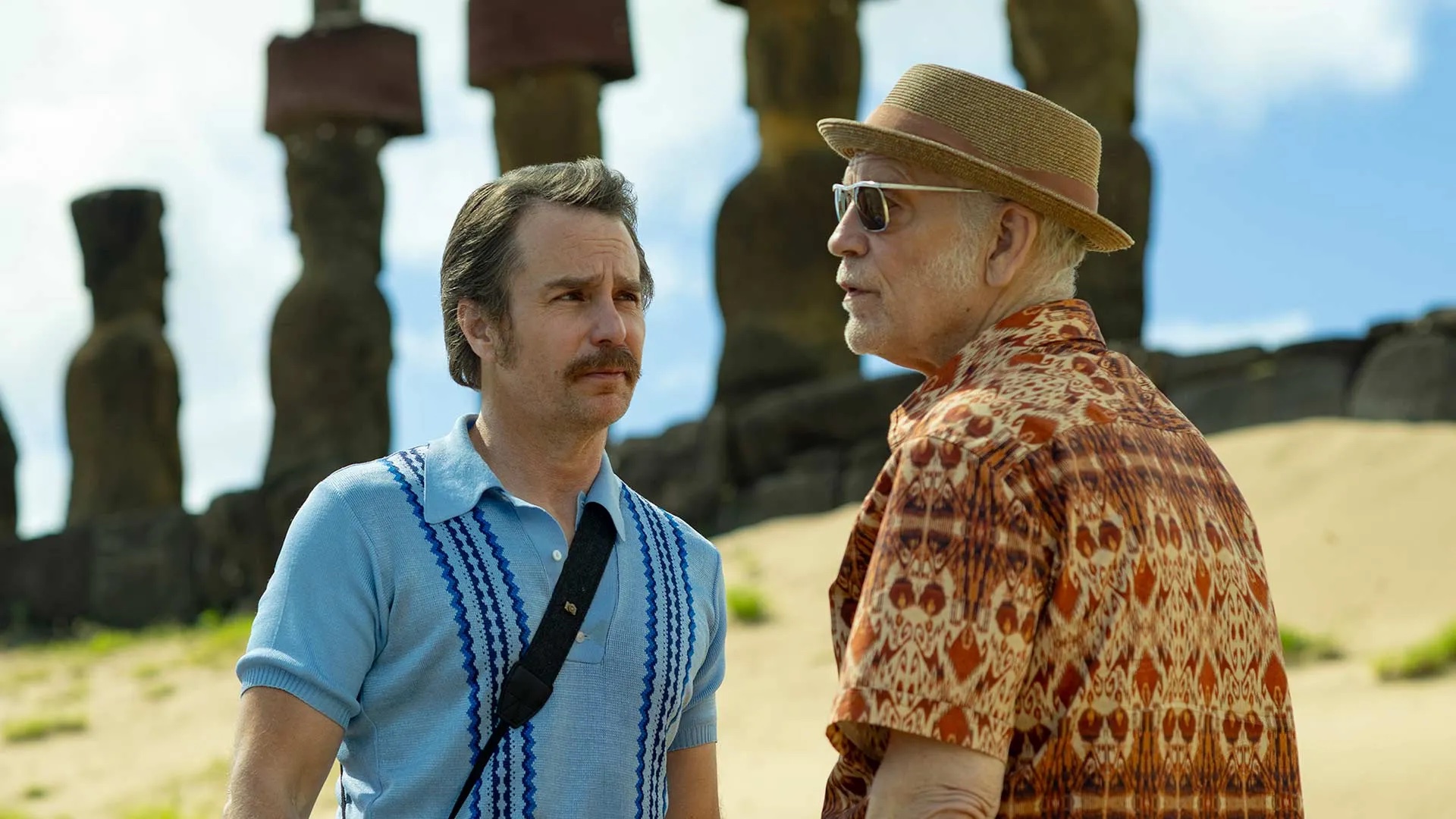
With Wild Horse Nine, Martin McDonagh (In Bruges, The Banshees of Inisherin) returns to his sweet spot, delivering a darkly funny, beautifully photographed story about friendship, regret, and the ticking clock of mortality. It’s bleak, but it’s also lovely.
Not another DC comic book movie, anyway. Not after Superman and Supergirl.
So, it’s good news that Clayface, the latest release from James Gunn’s DC Studios, hardly feels like an adaptation of a DC Comics story at all. It’s a body horror movie that’s DC Comics–inspired and barely references its pedigree.
Most surprising of all, it’s actually worth seeing.
The follow-up has the same screenwriter, Aaron Sorkin. And Jeremy Strong (Succession) takes over for Jesse Eisenberg as Mark Zuckerberg. Suffice it to say, my hopes were high.
Well, it turns out there’s a good reason Sony has kept quiet about this one.
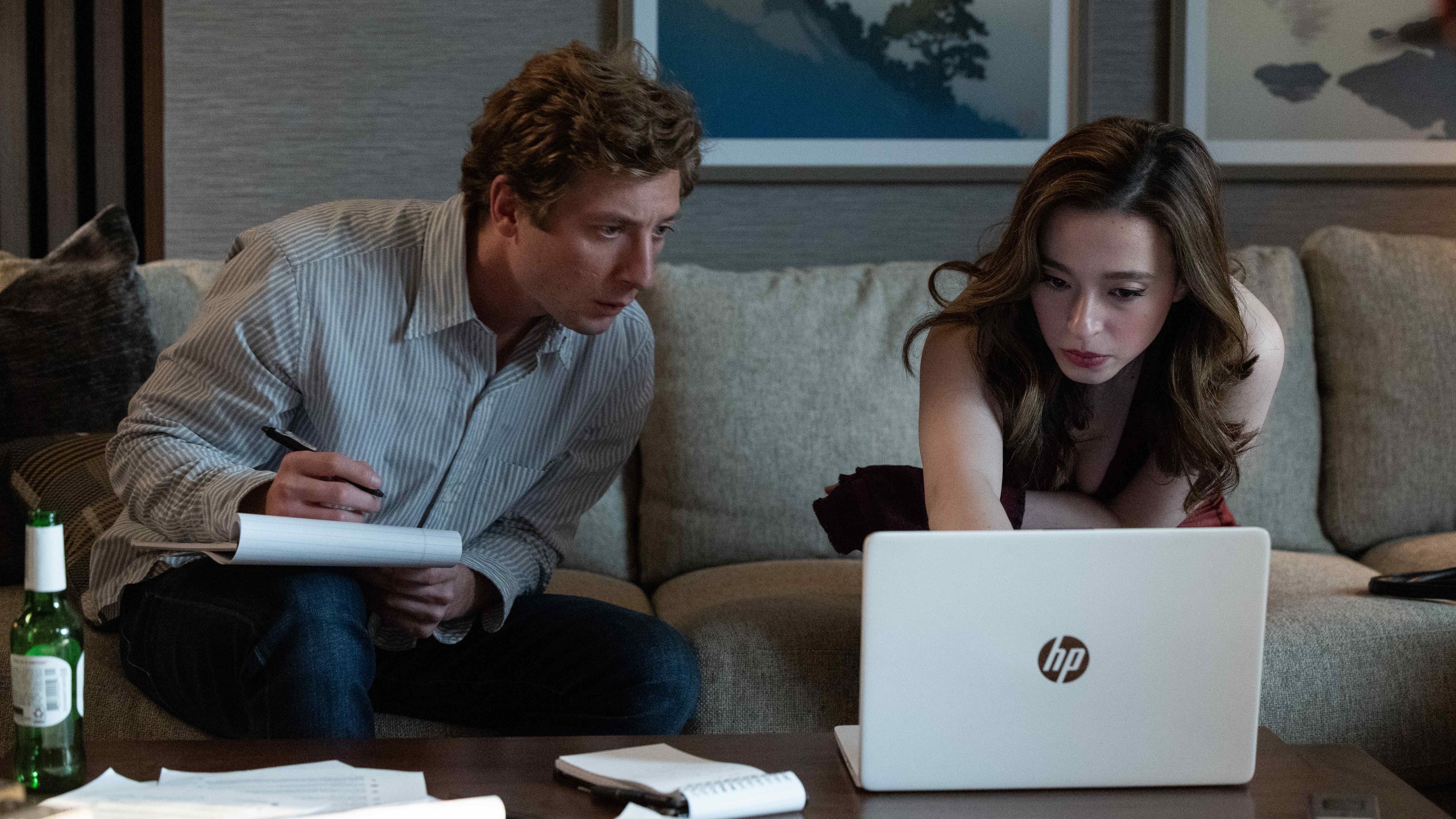
Rachel Morrison’s Love of Your Life was not the movie I was expecting.
From the film’s title and the marketing (especially the poster, which features a naked woman presumably about to go for a swim in the ocean), I figured it would be a female-oriented, swoony love story. And, to a degree, it is.
But the film is really about something else: trauma, grief, and the messy process of figuring out who you are after the life you thought you were going to have suddenly disappears.
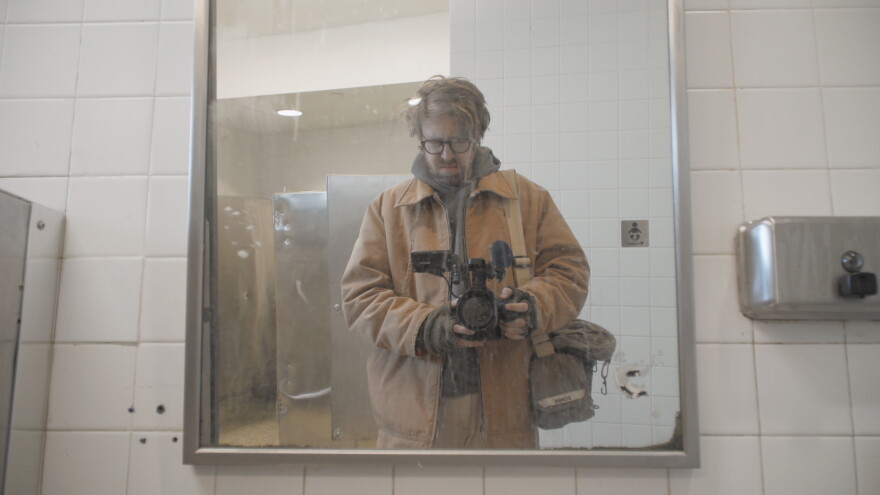
And then there’s The History of Concrete, John Wilson’s weird and wonderful documentary about, yes, concrete. The stuff we walk on, build with, and generally don’t give a second thought to unless somebody trips over a sidewalk or a bridge collapses.
But if you’ve seen Wilson’s TV series, How To with John Wilson, which ended its run on HBO in 2023 and is currently available to watch on HBO Max, you know that the subject is really just the beginning. This is a filmmaker who could make a documentary about watching paint dry and somehow turn it into a hilarious, existential journey through the absurdity of being alive.
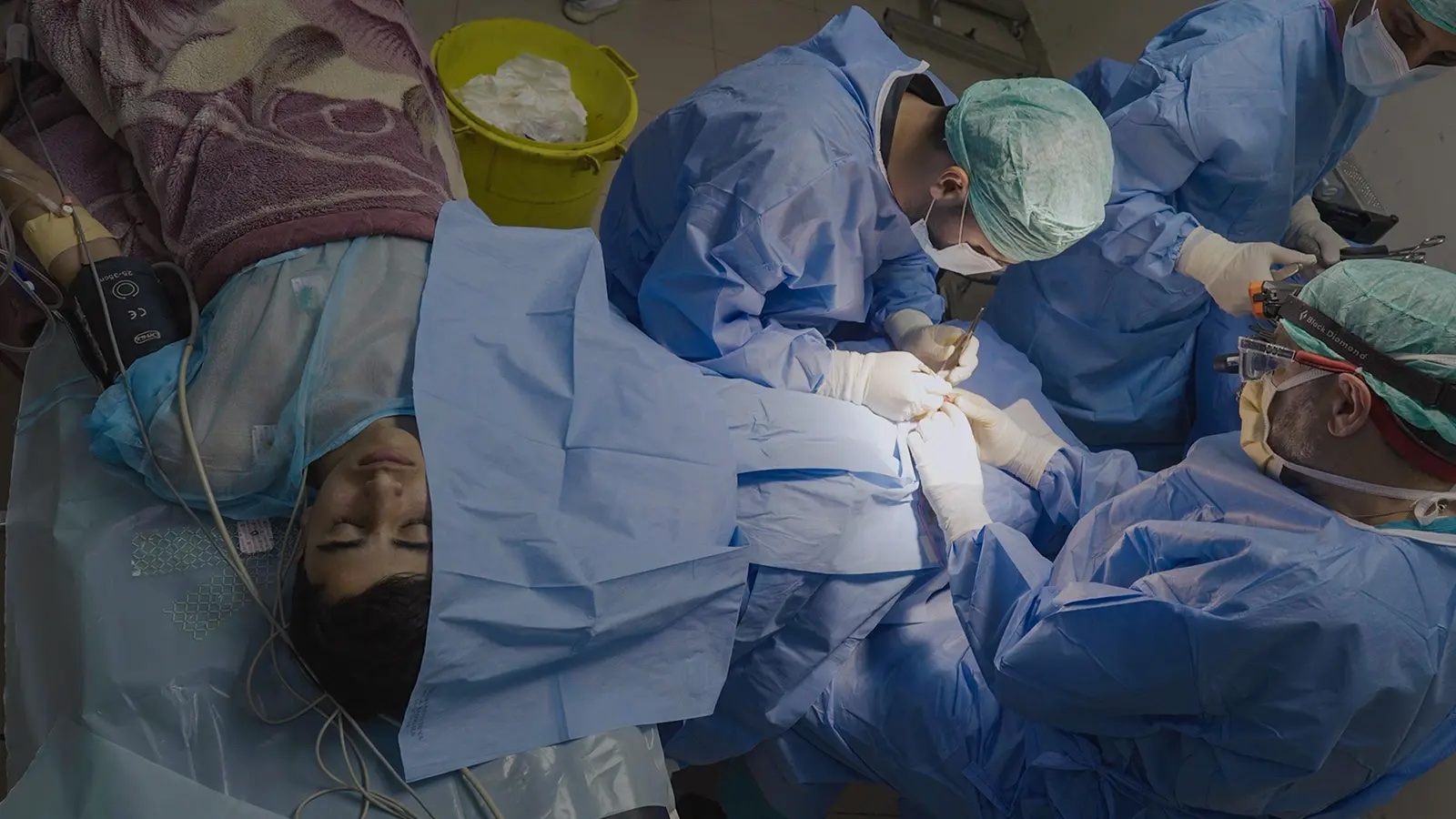
Poh Si Teng’s American Doctor is a film that’s designed to make viewers angry. Specifically, to make them angry at Israel.
Of course, it’s not unusual for a documentary to take a side and have a point of view. Usually, a clear perspective is a distinguishing factor for a documentary. And it’s not unusual for filmmakers to use selective editing to make their case.
American Doctor follows three American physicians — one Palestinian, one Jewish, and one Zoroastrian — who treated patients in Gaza during Israel’s military campaign that was in response to Hamas’ attack on Israel on October 7, 2023. But you wouldn’t know that cause-and-effect from watching the film. Through the experiences of Dr. Thaer Ahmad, Dr. Mark Perlmutter, and Dr. Feroze Sidhwa, the film shows viewers the destruction of Gaza’s medical infrastructure and argues that Israel and the United States bear sole responsibility for the humanitarian catastrophe that took place over the last three years.
So, yes, it presents the consequences of the Israel-Gaza war, which are real and undeniable. But it gives insufficient attention to the circumstances that led to the war in the first place or the responsibility that Hamas has for so much pain and suffering. That lack of important context means the film is, fundamentally, a prosecution of Israel — and its biggest weakness is the part of the story it leaves out.