Not another DC comic book movie, anyway. Not after Superman and Supergirl.
So, it’s good news that Clayface, the latest release from James Gunn’s DC Studios, hardly feels like an adaptation of a DC Comics story at all. It’s a body horror movie that’s DC Comics–inspired and barely references its pedigree.
Most surprising of all, it’s actually worth seeing.
The follow-up has the same screenwriter, Aaron Sorkin. And Jeremy Strong (Succession) takes over for Jesse Eisenberg as Mark Zuckerberg. Suffice it to say, my hopes were high.
Well, it turns out there’s a good reason Sony has kept quiet about this one.
It’s been three years since October 7, 2023, the day when Hamas terrorists invaded Israel on a Shabbat morning and a Jewish holiday. Three years since at least 1,200 innocent people were brutally murdered and more than 3,400 were injured in their homes, at a music festival, on the roads, and in places where they thought they would be safe. Three years since 251 hostages were dragged into Gaza.
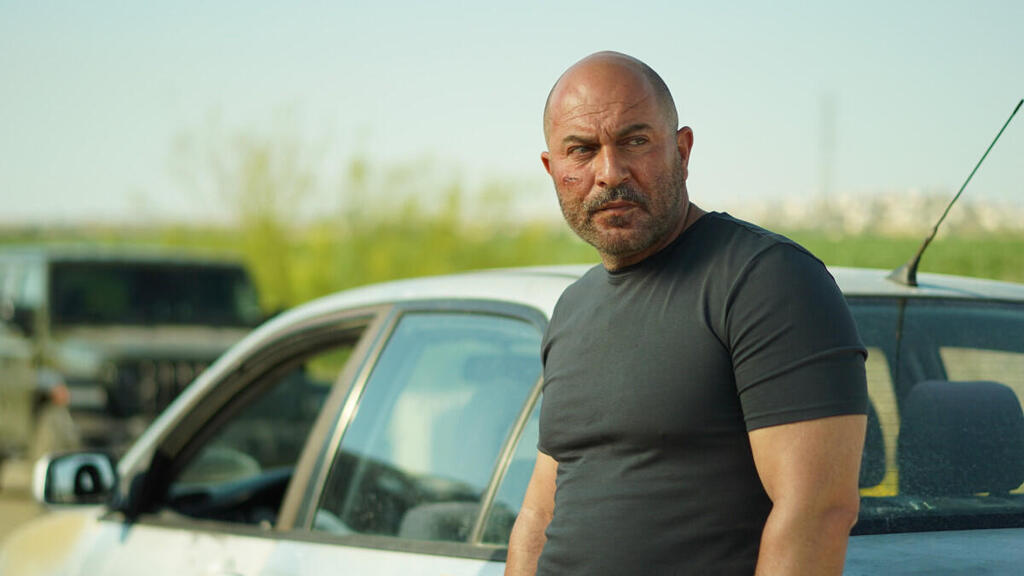
That’s why I held off on watching episodes 7 and 8 of Fauda season 5.
I knew what they were about. I knew they depicted October 7. I knew they would show the massacre and the horror of that day. And after everything I’ve already watched, read, heard, and seen about October 7 over the past three years, including during my trip to Israel in June 2024, part of me wondered whether I really needed to see this dramatization of it.
I’d already watched the season’s first six episodes, but then I paused. This past weekend, I finally watched episodes 7 and 8. I’m glad I did.
Rachel Morrison’s Love of Your Life was not the movie I was expecting.
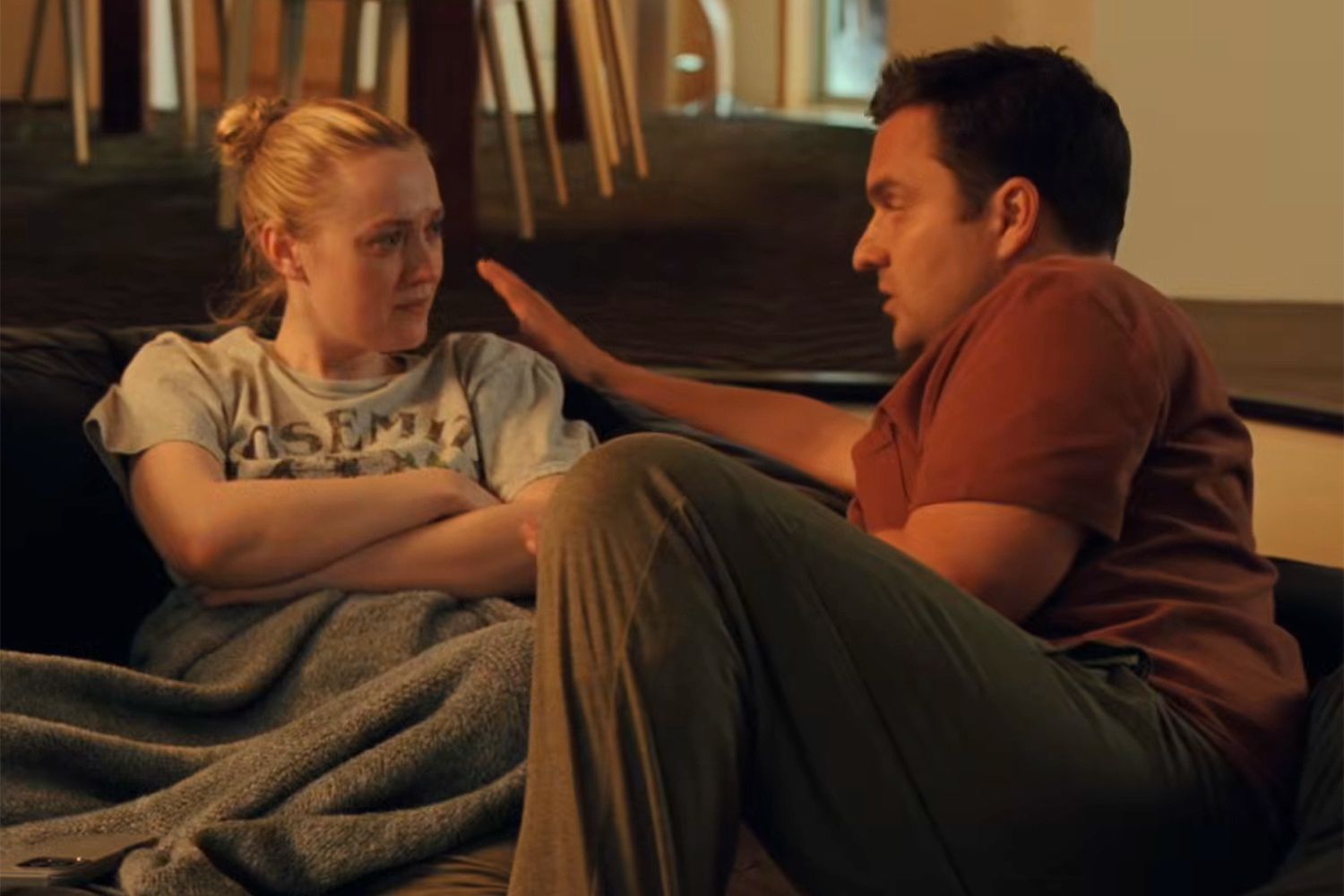
From the film’s title and the marketing (especially the poster, which features a naked woman presumably about to go for a swim in the ocean), I figured it would be a female-oriented, swoony love story. And, to a degree, it is.
But the film is really about something else: trauma, grief, and the messy process of figuring out who you are after the life you thought you were going to have suddenly disappears.
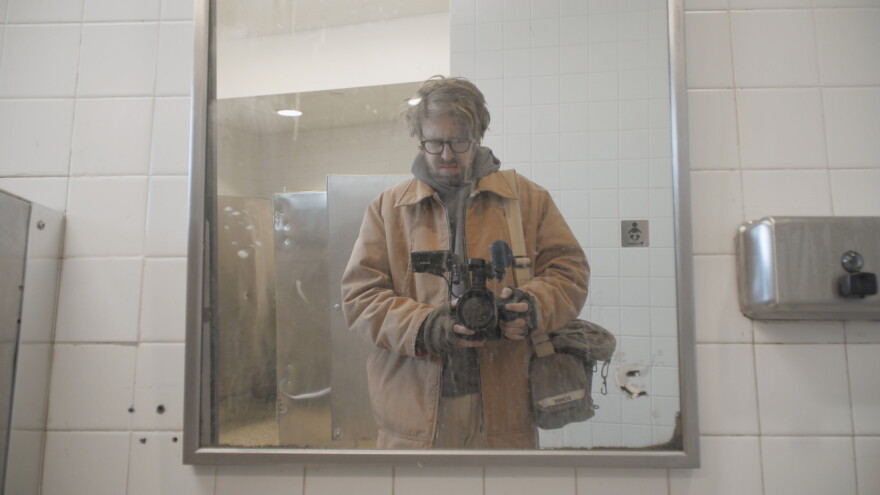
And then there’s The History of Concrete, John Wilson’s weird and wonderful documentary about, yes, concrete. The stuff we walk on, build with, and generally don’t give a second thought to unless somebody trips over a sidewalk or a bridge collapses.
But if you’ve seen Wilson’s TV series, How To with John Wilson, which ended its run on HBO in 2023 and is currently available to watch on HBO Max, you know that the subject is really just the beginning. This is a filmmaker who could make a documentary about watching paint dry and somehow turn it into a hilarious, existential journey through the absurdity of being alive.
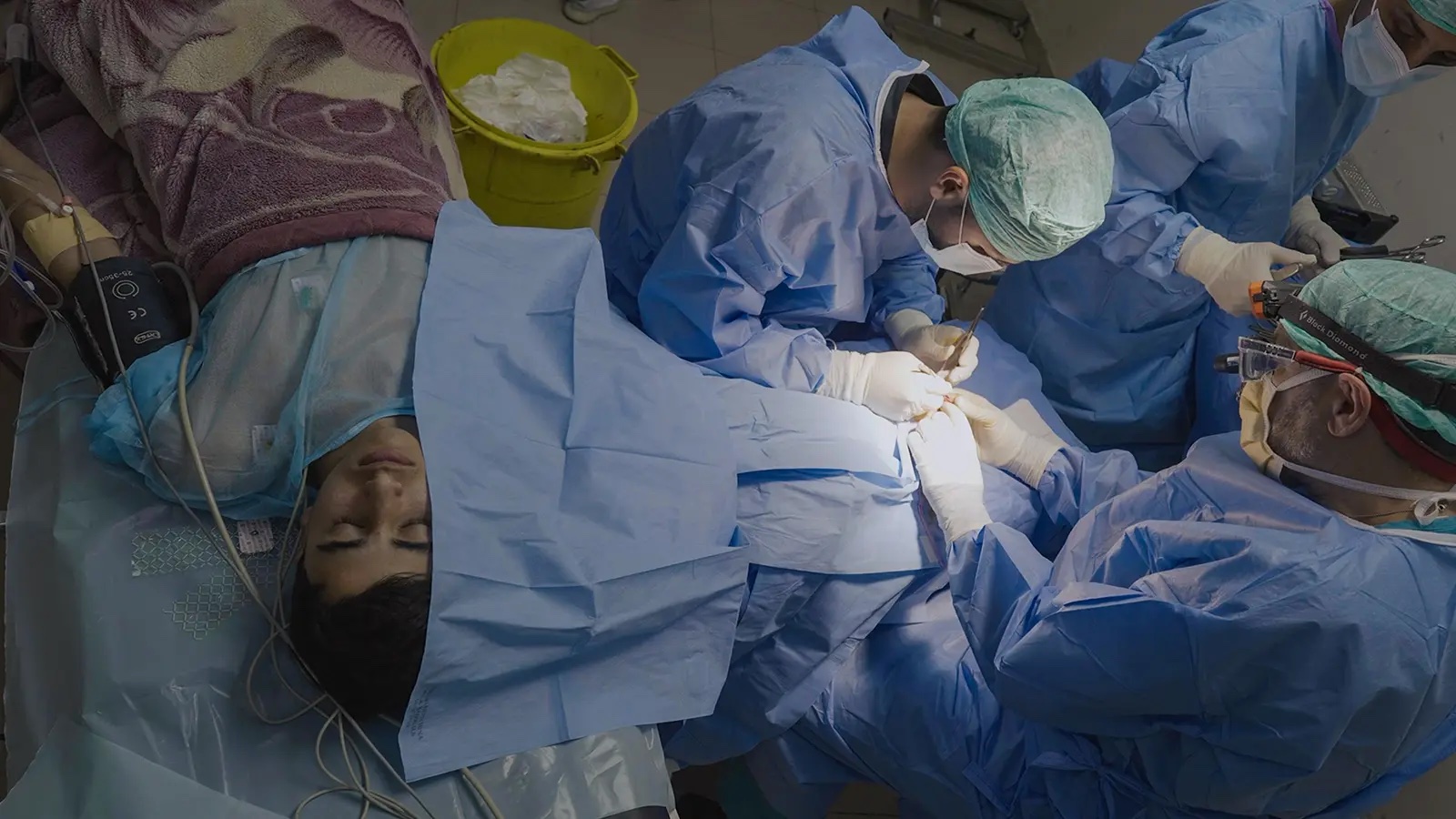
Poh Si Teng’s American Doctor is a film that’s designed to make viewers angry. Specifically, to make them angry at Israel.
Of course, it’s not unusual for a documentary to take a side and have a point of view. Usually, a clear perspective is a distinguishing factor for a documentary. And it’s not unusual for filmmakers to use selective editing to make their case.
American Doctor follows three American physicians — one Palestinian, one Jewish, and one Zoroastrian — who treated patients in Gaza during Israel’s military campaign that was in response to Hamas’ attack on Israel on October 7, 2023. But you wouldn’t know that cause-and-effect from watching the film. Through the experiences of Dr. Thaer Ahmad, Dr. Mark Perlmutter, and Dr. Feroze Sidhwa, the film shows viewers the destruction of Gaza’s medical infrastructure and argues that Israel and the United States bear sole responsibility for the humanitarian catastrophe that took place over the last three years.
So, yes, it presents the consequences of the Israel-Gaza war, which are real and undeniable. But it gives insufficient attention to the circumstances that led to the war in the first place or the responsibility that Hamas has for so much pain and suffering. That lack of important context means the film is, fundamentally, a prosecution of Israel — and its biggest weakness is the part of the story it leaves out.
To cut to the chase: I liked The Sun Never Sets. I didn’t love it, and I’m not sure I’ll be thinking about it much a week from now. But for most of its running time, I was perfectly happy watching it.
That’s not exactly a ringing endorsement, I know. But sometimes “likable enough” has to be a perfectly legitimate review.
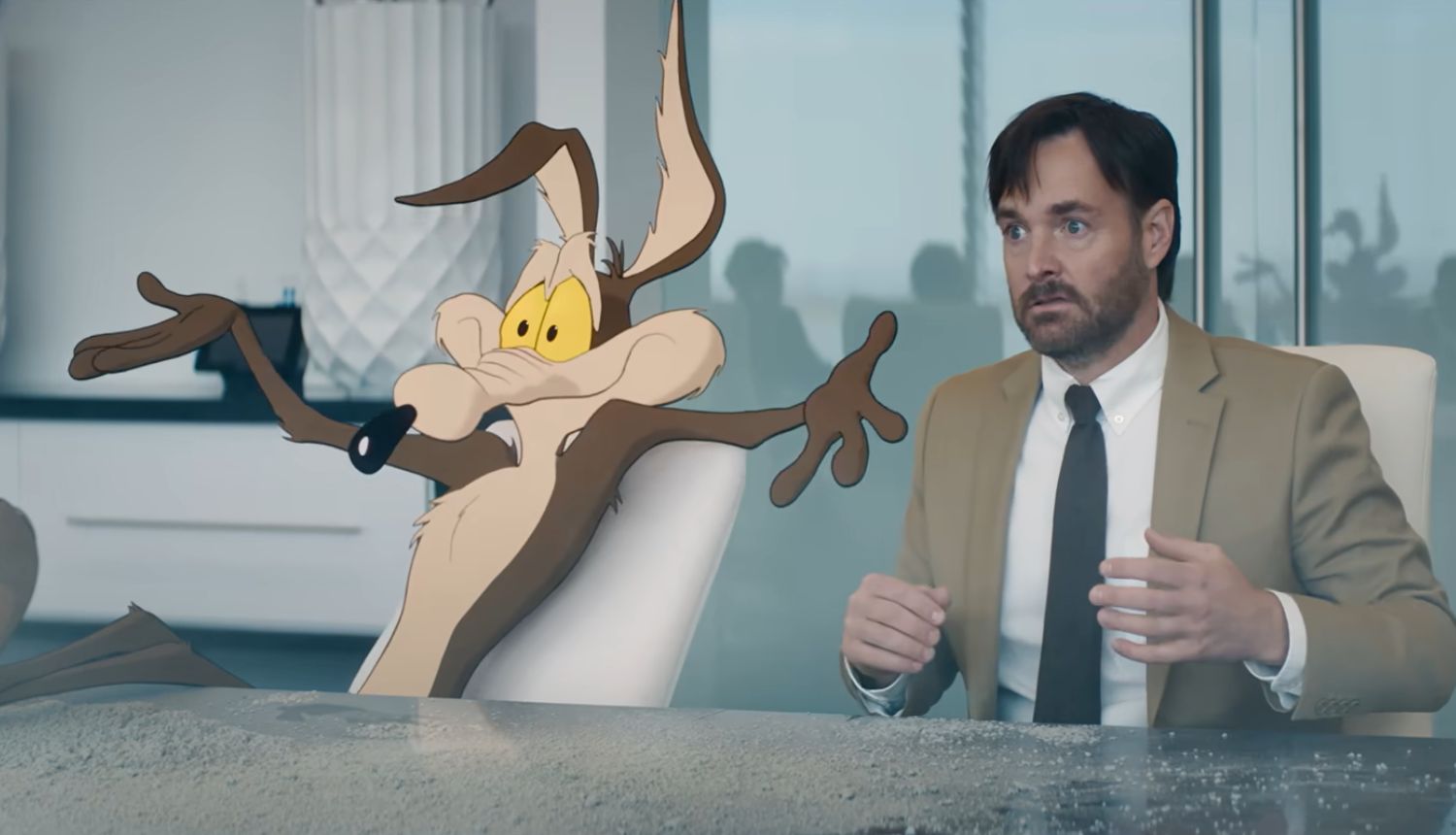
Warner Bros. finished making the movie in 2023, but in November of that year, CEO David Zaslav said he would never release it (despite a reported cost of $70 million), instead deciding to put it on the shelf as a tax write-off of about $30 million.
The filmmakers and cast were understandably furious, and the decision sparked an enormous public backlash.
Surprisingly, the suits at WB eventually allowed director Dave Green to shop his film around, and after years of uncertainty, independent distributor Ketchup Entertainment rescued the movie and has now brought it to theaters.
One of my favorite things about the JurassicPark and Jurassic World movies is what happens when the dinosaurs get off Isla Nublar, or whatever island or nature preserve they’re living on, and onto the mainland.
The Lost World: Jurassic Park gave us the T. rex stomping through San Diego, turning the city into prehistoric chaos. Jurassic World Dominion sent raptors and other assorted dinosaurs into Malta, where the streets became the setting of a giant chase sequence with creatures that really, really wanted to eat Chris Pratt and Bryce Dallas Howard — or anyone else they could find.
Those sequences work because there’s something inherently cool about watching dinosaurs in the real world. Put a velociraptor in a jungle or a contained environment and, sure, that’s scary. Put one in someone’s backyard and suddenly all hell breaks loose in a more relatable way.
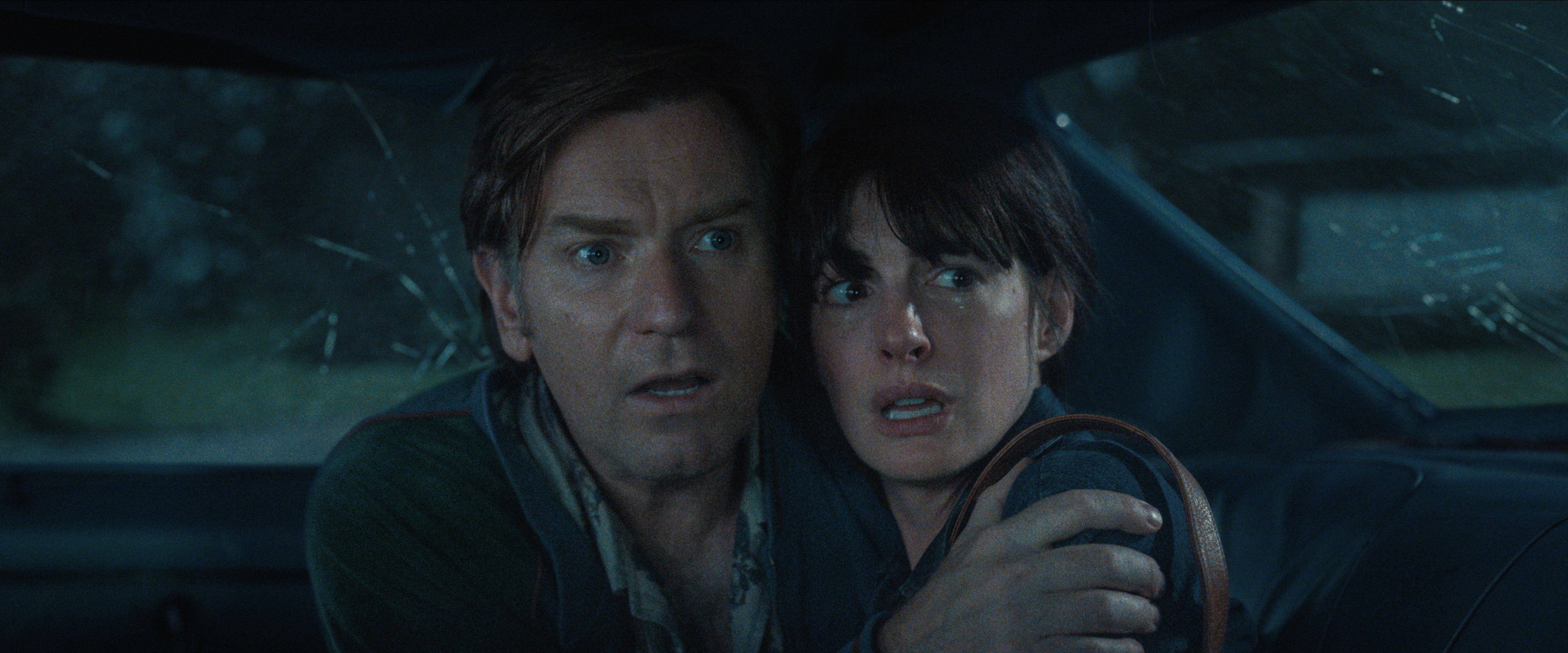
David Robert Mitchell’s new sci-fi thriller The End of Oak Street takes that idea and runs with it — or, more accurately, shuffles along behind it.
There are few things more quintessentially American than Girl Scout Cookies.
Every winter, like clockwork, troops of girls appear outside supermarkets, in shopping malls, and on front porches, selling Thin Mints, Samoas, Trefoils, and Do-si-dos. For the girls, it’s not just about cookies; it’s a chance to learn a little something about business, perseverance, and themselves.
Cookie Queens, the charming new documentary directed by Alysa Nahmias, takes that annual ritual and turns it into a surprisingly engaging story. The film follows four determined young Girl Scouts as they set their cookie-selling goals and discover that reaching them can be about much more than simply moving boxes.