The innocence of childhood is something that should never be tampered with.
When you’re a kid, you tend to believe the world is a pretty safe place. You trust that your parents and other adults know what they’re doing and that the people who love you will always be there to protect you from the bad stuff.
Well, Josephine shatters that myth. It captures the painful, frightening moment when that sense of security falls apart.
The film is a tough, often heartbreaking drama about an 8-year-old girl (Mason Reeves) who witnesses a rape, and the emotional turmoil that follows as she tries to make sense of something no child should ever have to see. Initially, she doesn’t even know what the word “rape” is. After all, what 8-year-old would (and should) know what that is?
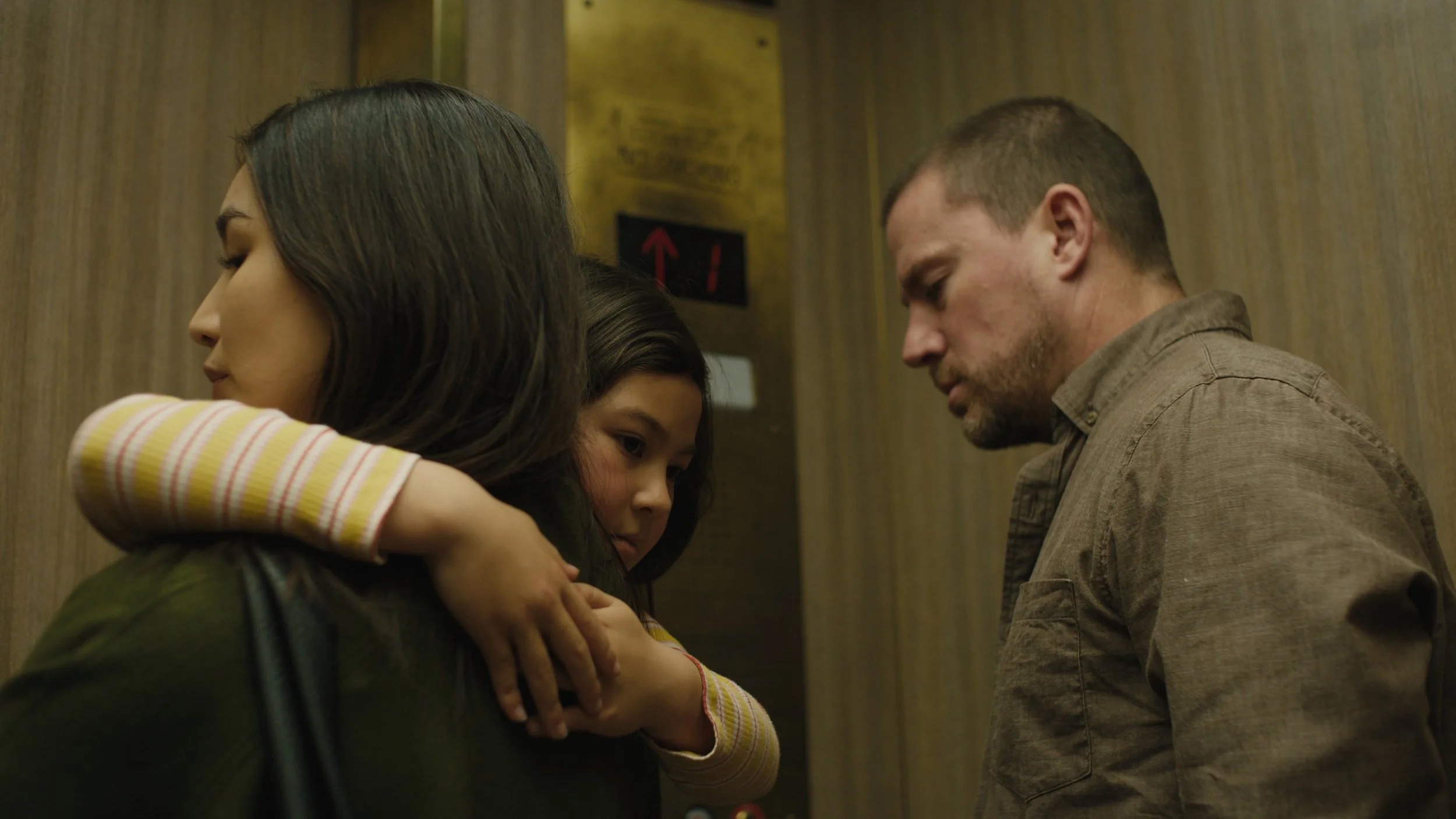
Josephine’s parents, played by Channing Tatum and Gemma Chan, are just as unsure of what to do. We see them struggling to figure out how to help their daughter when they can barely understand what she’s going through themselves. Their inability to find the right words or offer the right kind of comfort or guidance feels painfully real.
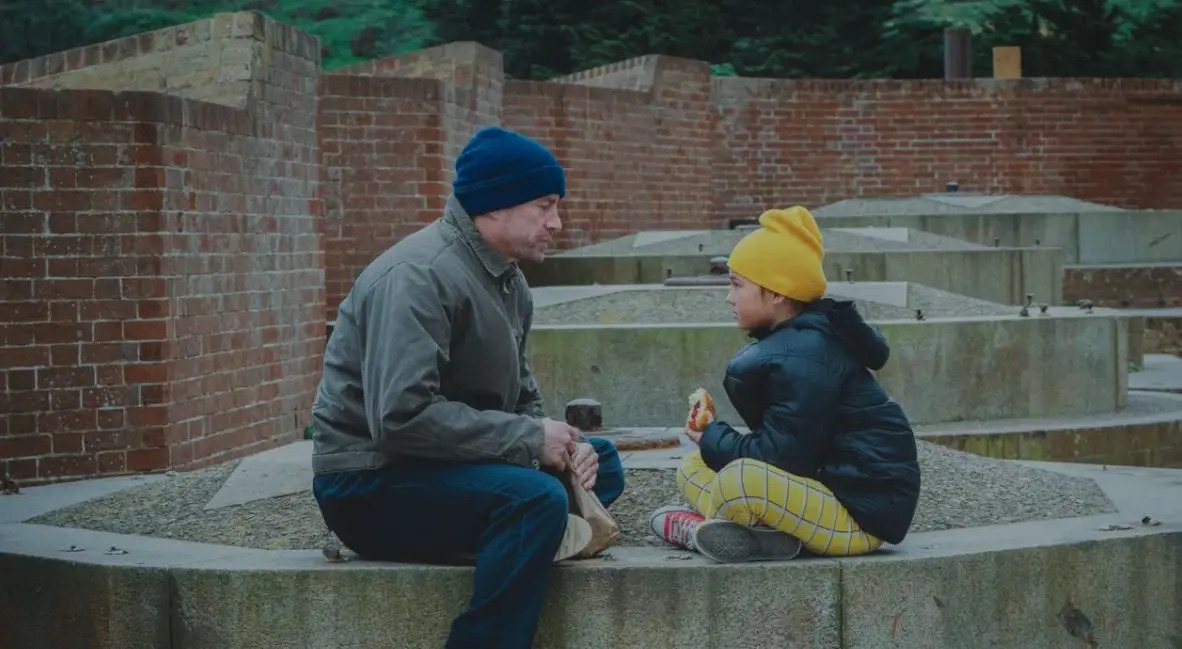
Writer-director Beth de Araújo, a Brazilian-American filmmaker, turns this difficult premise into a gripping drama, offering a compelling look at a child’s struggle to understand what she’s witnessed. The film is particularly effective at showing just how unprepared adults can be when it comes to helping young people navigate complicated emotional challenges. We want to protect children, reassure them, and make everything better. But what happens when there’s no easy answer and no way to undo what they’ve experienced?
And yet, while what they’re dealing with is important, the film is not about the parents. It’s about the title character — which means you need the right actress in that role. To put it most simply, Reeves is terrific as Josephine. She doesn’t appear to be acting so much as authentically inhabiting the confusion, fear, anger, and emotional uncertainty of a child trying to process an unimaginably disturbing experience. It’s all the more impressive considering Reeves herself turned 8 during the first week of filming in 2024.
The fact that the story is based on an event from de Araújo’s own childhood gives the film an added layer of intimacy and purpose. The film is largely told from Josephine’s perspective, with Greta Zozula’s camera frequently positioning itself at the young girl’s height, or capturing her in tight close-ups. This allows us to experience the world from her point of view rather than looking down on her from an adult perspective.
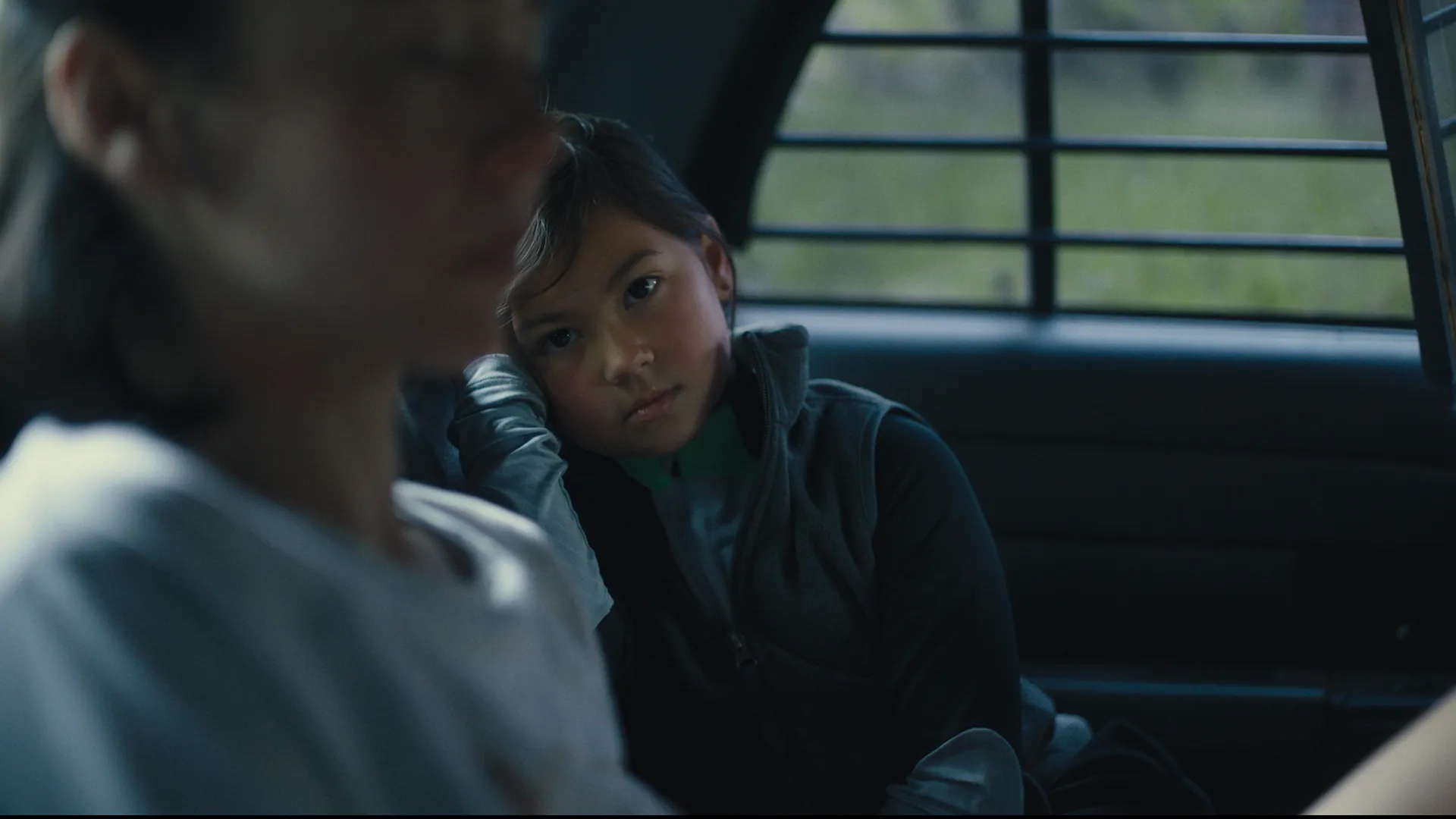
De Araújo and Zozula make other striking visual choices. Case in point: A scene involving visiting detectives that features a rotating camera panning around the room, blurring the boundaries between fantasy and reality in a way that captures Josephine’s increasingly unsettled state of mind. It’s one of many scenes meant to give us a chill. And a courtroom sequence late in the film is particularly intense, bringing the emotional weight of everything we’ve witnessed to an almost unbearable level.
Josephine, which won both the Grand Jury Prize and the Audience Award at this year’s Sundance Film Festival, isn’t an easy movie. Nor does it seem interested in making its audience comfortable. But it’s a thoughtful, beautifully observed piece of filmmaking that handles an extraordinarily sensitive subject with intelligence and compassion. It’s a difficult watch, but a very good one.
I’m giving it a B+.


What say you? Leave a comment here.