
There’s an oft-repeated line that goes something like this: If you want to know Lorne Michaels, you should watch Saturday Night Live.
Indeed, for most of the last 51 years, the creator of NBC’s late-night institution has largely remained an enigma, choosing to let the show speak for him. Sure, he’s done interviews, but they’ve generally been about the show and his plans for it. And yes, there was a biography about him published last year. But hearing Lorne talk about Lorne? That’s rare.
With Morgan Neville’s new documentary — simply titled Lorne — that changes. SNL’s creator is finally, reluctantly, letting us inside and giving us a look at the man behind the show.
Or is he?
As Neville’s film makes clear, even those closest to Michaels hardly know him. And yet, Lorne is full of talking heads — Tina Fey, Conan O’Brien, Bill Hader, Chris Rock, Paula Pell, John Mulaney, Dana Carvey, and Colin Jost, among them — each providing insights that illustrate just how much people think they know about him.
Instead of just mythologizing Michaels, though, the film leans into the strange duality of the man and the legend, and actually makes that tension the point.
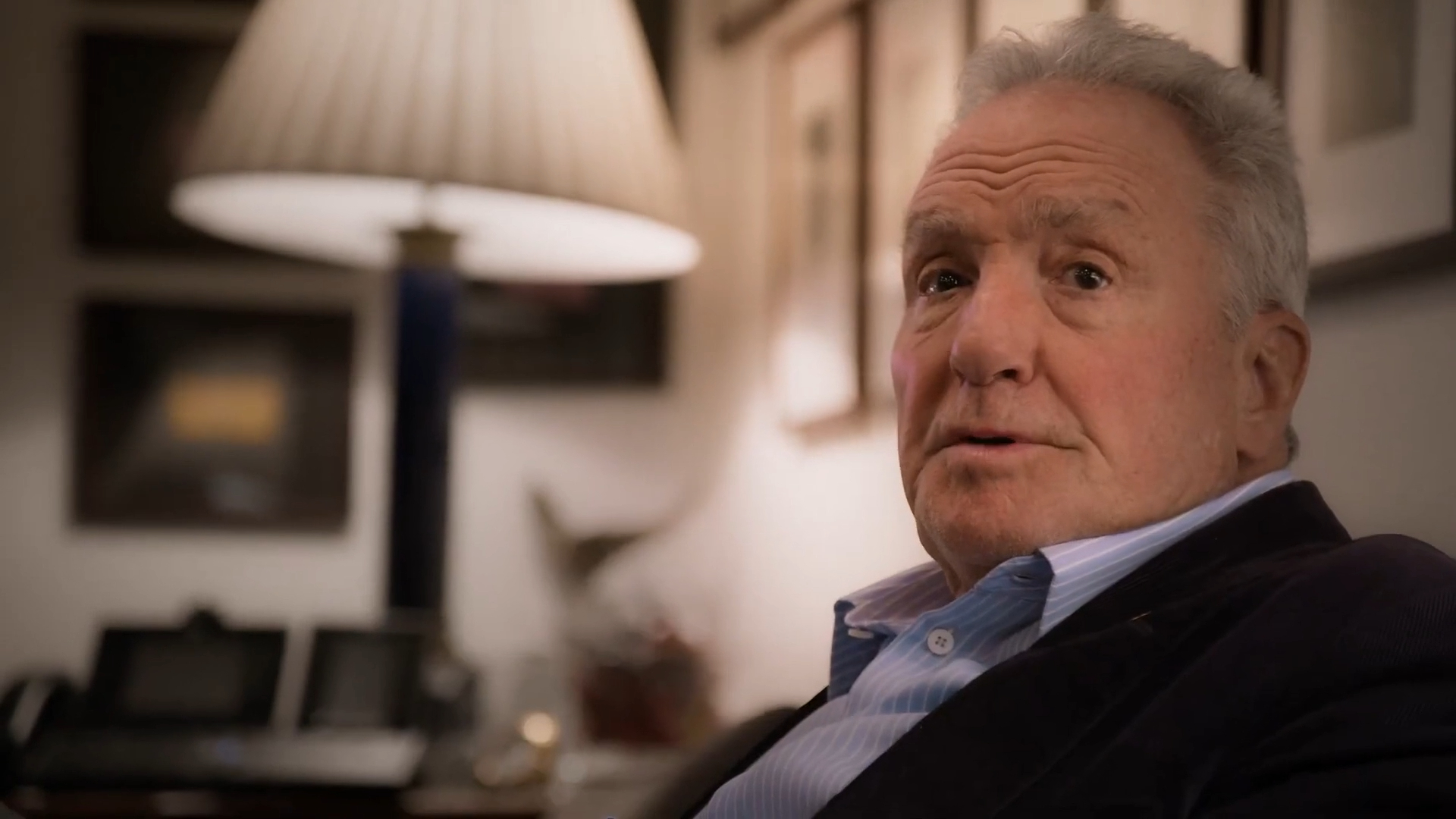
Neville, who directed the Mr. Rogers doc Won’t You Be My Neighbor?, the Anthony Bourdain doc Roadrunner, the Steve Martin doc Steve! (martin): A Documentary in Two Pieces, and the Oscar-winning backup-singer doc 20 Feet from Stardom (one of my all-time favorites), directs with a confidence that never turns showy. He knows Michaels is a beloved and inherently compelling figure, but he also knows we’ve all seen the greatest hits and heard many of the iconic stories — especially after last year’s SNL 50 victory lap.
So, the good news is that, no, Lorne isn’t just a parade of iconic sketches and “remember this?” nostalgia bait. Sure, the clips are there, but they’re brief and used like seasoning, not the whole meal. The real focus is the ecosystem Michaels built — and how much of it still runs on controlled chaos and constant reinvention.
The film essentially operates on two timelines: One telling Michaels’ life story (superficial though it may be) and another showing what a week in the show’s life is like, and just how involved he remains in its development and production. It’s clear from both that Michaels has always put everything he’s got into his work, and that his smart, sometimes controversial, comedy and show-business instincts are still very much intact, even at 79 years old (when the movie was shot; he’s 81 years old now).
What makes Lorne work is that it doesn’t pretend there’s a neat, tidy answer to who Michaels the man is. There are a few key reveals — such as that he has three kids (though their faces are hidden) and a house with a blueberry farm in Maine, two things I didn’t know before — but the film also makes clear that he prefers the mystery.
At one point in the film, Tina Fey refers to Michaels as “the last person in show business,” meaning he represents a style of power, taste, and decision-making that feels inherited from an earlier era — when a single, somewhat mysterious figure could sit at the center of everything and quietly shape culture without over-explaining themselves.
She means it as a compliment. It suggests Michaels is a holdover from a more romantic, slightly inscrutable version of the industry where that kind of mystique mattered, and where not everything was over-analyzed.
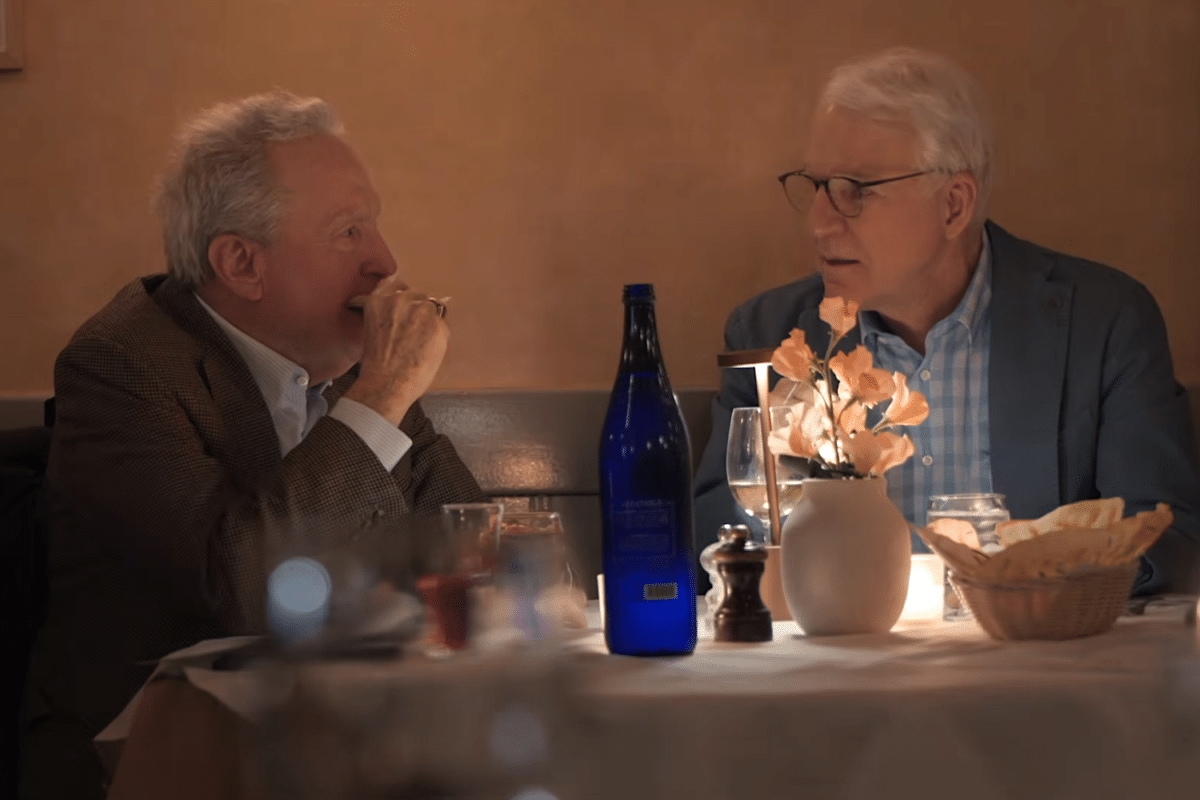
Neville includes similar sentiments from people who’ve been present throughout Michaels’ career — the previously mentioned ones, plus Chevy Chase, Laraine Newman, Alec Baldwin, Michael Che, Steve Higgins, Adam Sandler, Jimmy Fallon, Sarah Sherman, Mike Myers, Seth Meyers, Robert Smiegel (via his “TV Funhouse” cartoons), and even Lily Tomlin, whose award-winning primetime specials Michaels produced in his pre-SNL days. These folks don’t just praise Michaels, they reflect, sometimes awkwardly, on the experience of orbiting a figure who is both deeply influential and frustratingly opaque. It’s appreciative and affectionate without being fawning, which is a tricky balance the film nails.
And then there’s Paul Simon, Michael’s longtime neighbor and friend (and apparent co-conspirator), who admits to writing a profile of Michaels for Vanity Fair in 2012 that was intentionally full of falsehoods. Neville then shows us how the article only perpetuated Michaels’ myth.
Yes, Lorne is wildly entertaining, like a solid episode of Saturday Night Live. Even when it’s dissecting process or power dynamics, it moves with the same restless energy that’s defined the show for decades. And of course, longtime fans of SNL will delight at short clips from or even the brief mentions of notable sketches or deceased cast members like Chris Farley and Norm MacDonald.
And so, while we learn a bit more about Michaels in Lorne than some of us may have known before, the legend that SNL watchers like me have come to love lives on. That makes this movie essential viewing for anyone who’s ever been a fan of the show.
I’m giving Lorne a B+.


What say you? Leave a comment here.