I have no idea where the time went, but here we are at the mid-point of 2023 already.
The fact that these six months seemed to go by so quickly is, I guess, a testament to how much fun they were, overall. There were concerts and shows, lots of movies (36 as of this writing), three trips to Florida (not always fun, admittedly), a good birthday, lots of great TV, meetups with friends, my niece and nephews’ first visit to Boston in three years, and plenty more.
But before we get into all that, I wanted to recap the 20 new movies I’ve seen since my last movie-review roundup. For the record, I saw 16 of them in a theater and four via streaming. Also, I saw one movie twice, but only counted it once here. Regardless, my total for the year so far is 36.
I’ve shared my thoughts about most of what I’ve seen on Twitter and/or Instagram (Stories), and I’ve written some longer-form reviews of some of them here, but I haven’t documented my thoughts about everything. So, here in one place is a quick look at all the movies I’ve seen over the last three months, in the (reverse-chronological) order in which I saw them.
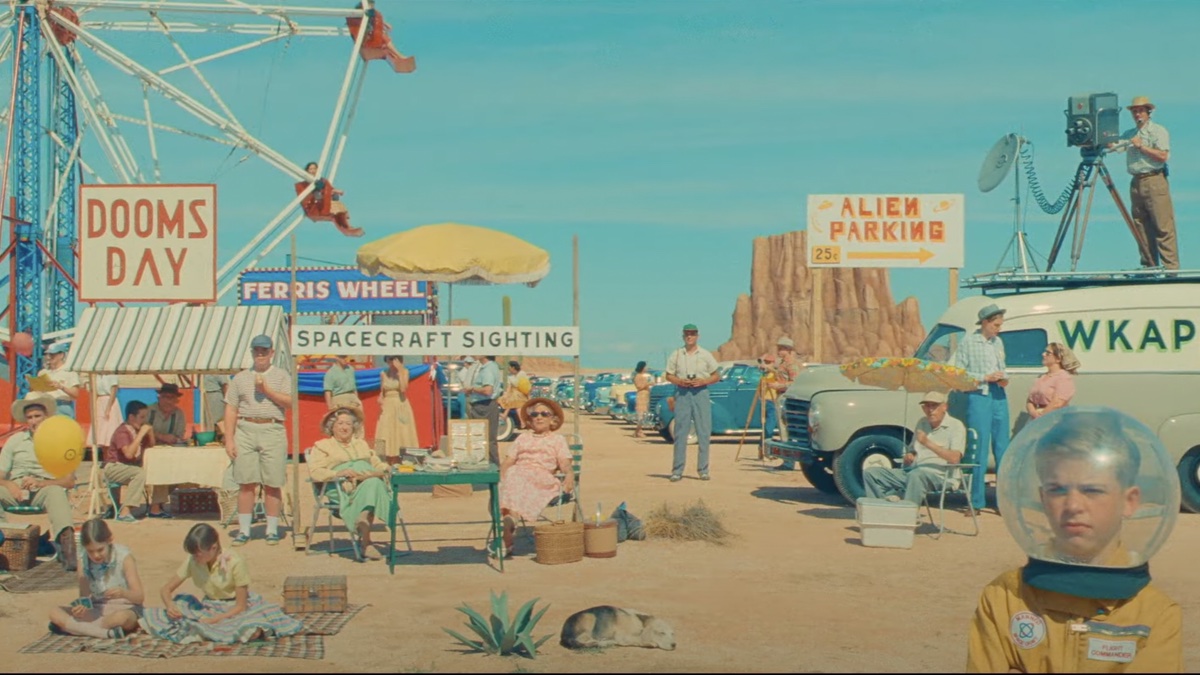
If you’re familiar with the work of Wes Anderson — and if you’ve spent any time on TikTok recently, you should be — then you will not be surprised by the quirky way in which his latest film, Asteroid City, begins.
We’re told that the city itself does not exist. It is, instead, the setting of a play called “Asteroid City.” The events we’re about to see in the film are, essentially, a play-within-a-play — one that was never actually staged.
“The characters are fictional, the text hypothetical, the events an apocryphal fabrication,” explains our host (Bryan Cranston). “But together, they present an authentic account of the inner-workings of a modern theatrical production.”
When it was announced that James Gunn (writer and director of the Marvel Cinematic Universe’s Guardians of the Galaxy movies, among others) would be taking over the creative vision and leadership of DC Studios, included in his plans was a reboot of the entire DC Extended Universe. That meant the end was near for Zack Snyder’s version of the DCEU, a series of films marked by their overly serious and cold tone, and increasingly dark and gloomy images, not to mention an over-reliance on CGI. I’m talking, of course, about films like Man of Steel, Batman v Superman: Dawn of Justice, Aquaman, Suicide Squad, and Justice League.
(Christopher Nolan’s Dark Knight trilogy and last year’s The Batman are not considered part of the DCEU.)
The films do have their fans — including those who, for years, pushed for the release of Snyder’s extended cut of Justice League. But they’re not good, and I, for one, am looking forward to seeing what Gunn will do with the franchise.
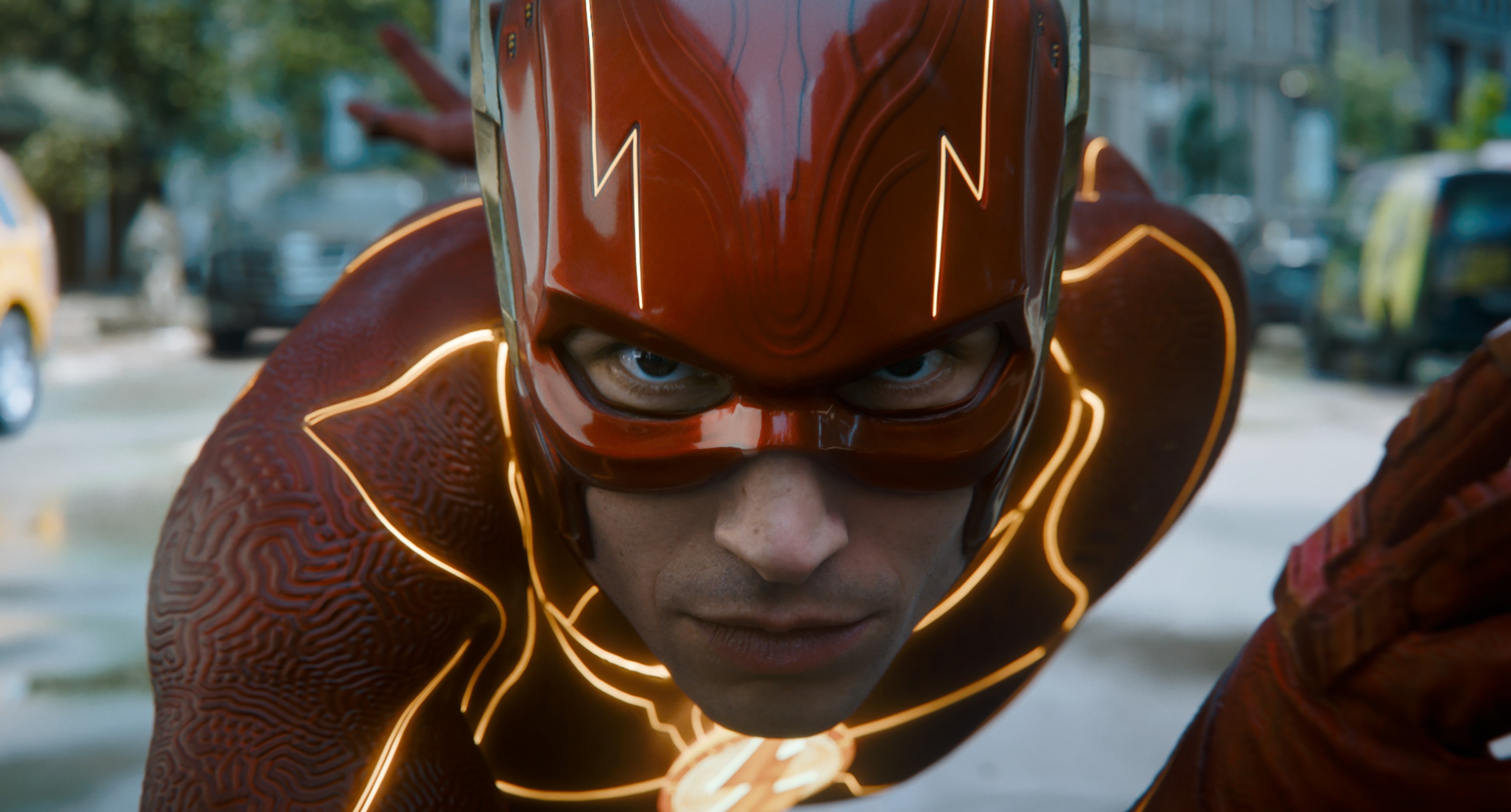
Yes, there’s still an Aquaman sequel in the works. (Groan.) But before Snyder’s DCEU up and vanishes like a fart in the wind, director Andy Muschietti (It) and screenwriter Christina Hodson (Bumblebee) have stepped in to make sure it goes out with a little fight still left in it. Their The Flash is a super-fun and engaging movie that, while not without its faults, might actually be the best movie in the entire series.
Earlier this year, in the instant-classic third episode of HBO’s The Last of Us, Murray Bartlett’s Frank said what was one of the most memorable lines of the entire TV season: “Older means we’re still here.”
At the time he said it, Frank was trying to comfort his partner, Bill (Nick Offerman), after Bill lamented that he was getting older too quickly. Frank’s point was that, in the show’s post-apocalyptic world, it wasn’t about being older. Simply surviving, and still being there together, was the important part.
Context aside, the line has stayed with me ever since I heard it. And today, as I celebrate another birthday, it’s top of mind again.
Watching Celine Song’s excellent new film, Past Lives, I found myself thinking of Sliding Doors.
In that 1998 high-concept film, Gwyneth Paltrow plays a woman who exists in two different realities: One in which she just misses getting on a subway train, and the other where she makes it just in time. The film hinges on the concept of “What if?” and we see what happens in both timelines, so we don’t have to wonder.
Like Sliding Doors, Past Lives examines how the notions of fate, love, and the choices we make affect the lives we lead.
But in Past Lives — which, to be absolutely clear, is a much better film than Sliding Doors — we don’t get the benefit of seeing what would have happened had things been different. Instead, the question of “What if?” hangs over the entire film.




 Martin's Musings