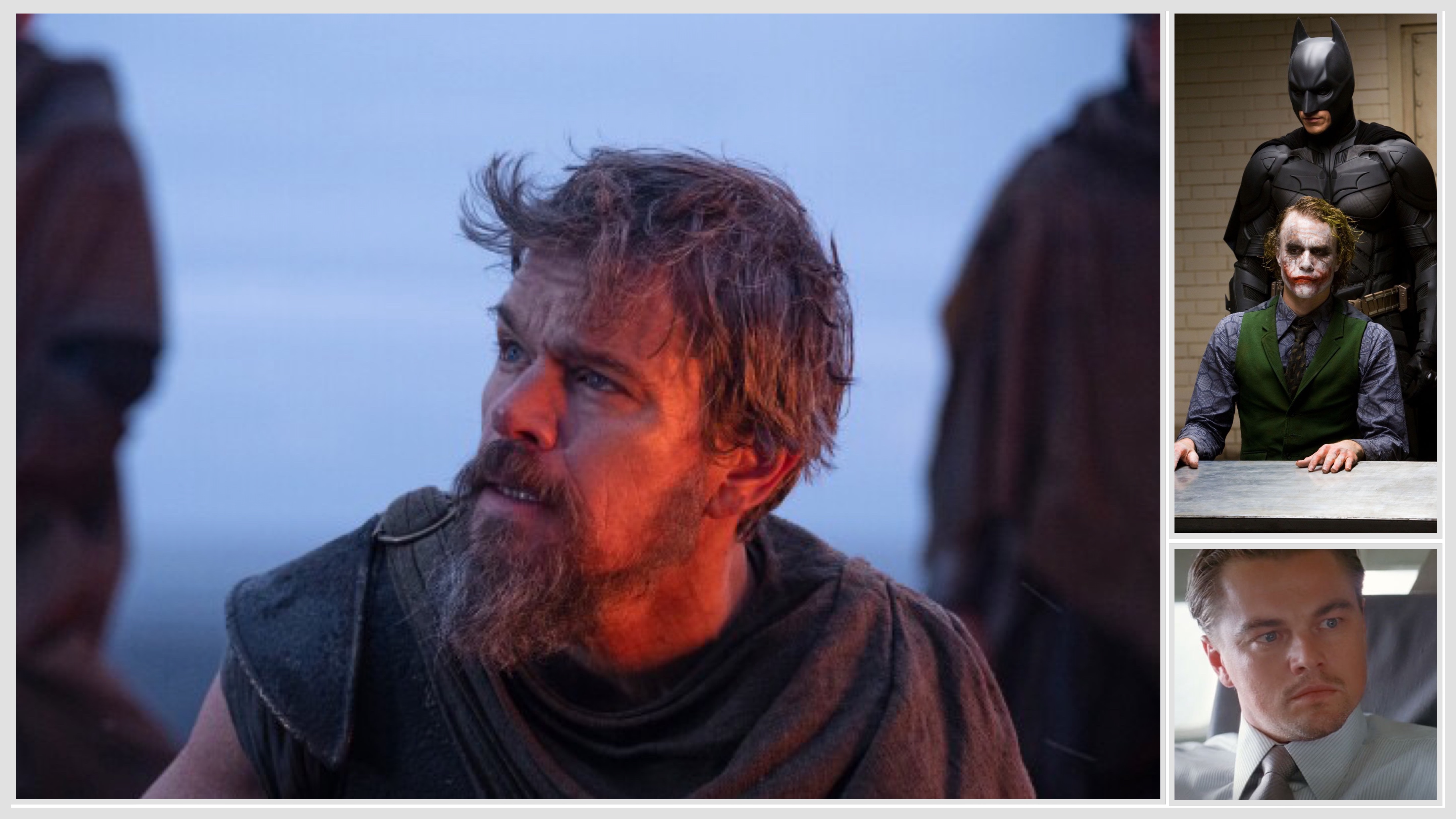
Christopher Nolan has spent the last quarter-century doing something very few filmmakers can do: Making audiences think while simultaneously blowing their minds.
His movies have recurring themes — time, memory, identity, obsession, sacrifice, and moral ambiguity — and they’re populated with people who could really benefit from a good therapist.
Nolan loves practical effects, giant IMAX screens, nonlinear storytelling, and asking viewers to do a little homework after the credits roll.
He also loves working with the same people again and again. Christian Bale, Matt Damon, Anne Hathaway, Michael Caine, Tom Hardy, Robert Pattinson, Cillian Murphy, Kenneth Branagh, Gary Oldman, Marion Cotillard, and Morgan Freeman are just some of the actors who have appeared in multiple Nolan films.
Most importantly, Nolan never thinks small. Whether he’s exploring dreams, Gotham City, World War II, outer space, or ancient Greece, his films feel like events. Because they are.
I’ve seen 12 of Nolan’s 13 films, every single one of them on the big screen at least once, and I consider him to be one of my favorite filmmakers. So, with The Odyssey now in theaters, I thought it was a good time for a ranking of those movies.
Sure, ranking Nolan’s movies is both fun and slightly misleading. Even his less satisfying work is still more ambitious and more impressive than many other directors’ best films.
In short, Nolan is a writer/director who doesn’t settle for “good enough.”
With all that in mind, here are my picks, from worst (a word I’m using in relative terms) to best.
12. Insomnia (2002)
Being Nolan’s lowest-ranked film isn’t much of an insult. Insomnia is a perfectly good psychological thriller featuring excellent performances from Al Pacino, Robin Williams, and Hillary Swank. It simply feels less distinctive than the films that followed, due at least in part to the fact that it’s the one film Nolan directed that he didn’t also write. It’s the work of a talented director who hadn’t yet fully become the Christopher Nolan we know and love today.
11. Interstellar (2014)

I’ve never been a huge fan of Interstellar, though I know it has its passionate defenders. No doubt they love its breathtaking visuals, Hans Zimmer’s magnificent score, Matthew McConaughey’s moving performance, and the undeniable ambition. For me, however, the emotional payoff never quite reaches the level that many others experience. That said, I’ve only seen it once; maybe I need to watch it again.
10. Tenet (2020)
I respect Tenet more than I enjoy it. Nolan pushed his fascination with time manipulation to its absolute limit in this story about a “Protagonist” (John David Washington) trying to prevent a war between the present and the future, and in the process, he created action sequences unlike anything audiences had ever seen. The result is dazzling, ambitious … and utterly confusing. Tenet is super cool, but watching it often leaves you feeling baffled about what it’s all about.
9. Batman Begins (2005)
It’s easy to forget how revolutionary this movie felt in 2005. Before Nolan arrived, Batman had become a punchline after 1997’s George Clooney–led Batman and Robin. In relaunching the franchise, Batman Begins grounded the character, treated him and his story seriously, and created the framework for the modern superhero era — for better and for worse. It’s a comic book–inspired movie for grownups that almost feels more like a crime drama than a superhero film. While Batman Begins doesn’t reach the heights of its sequels, none of the sequels could happen without the strong foundation this film set.
8. The Prestige (2006)
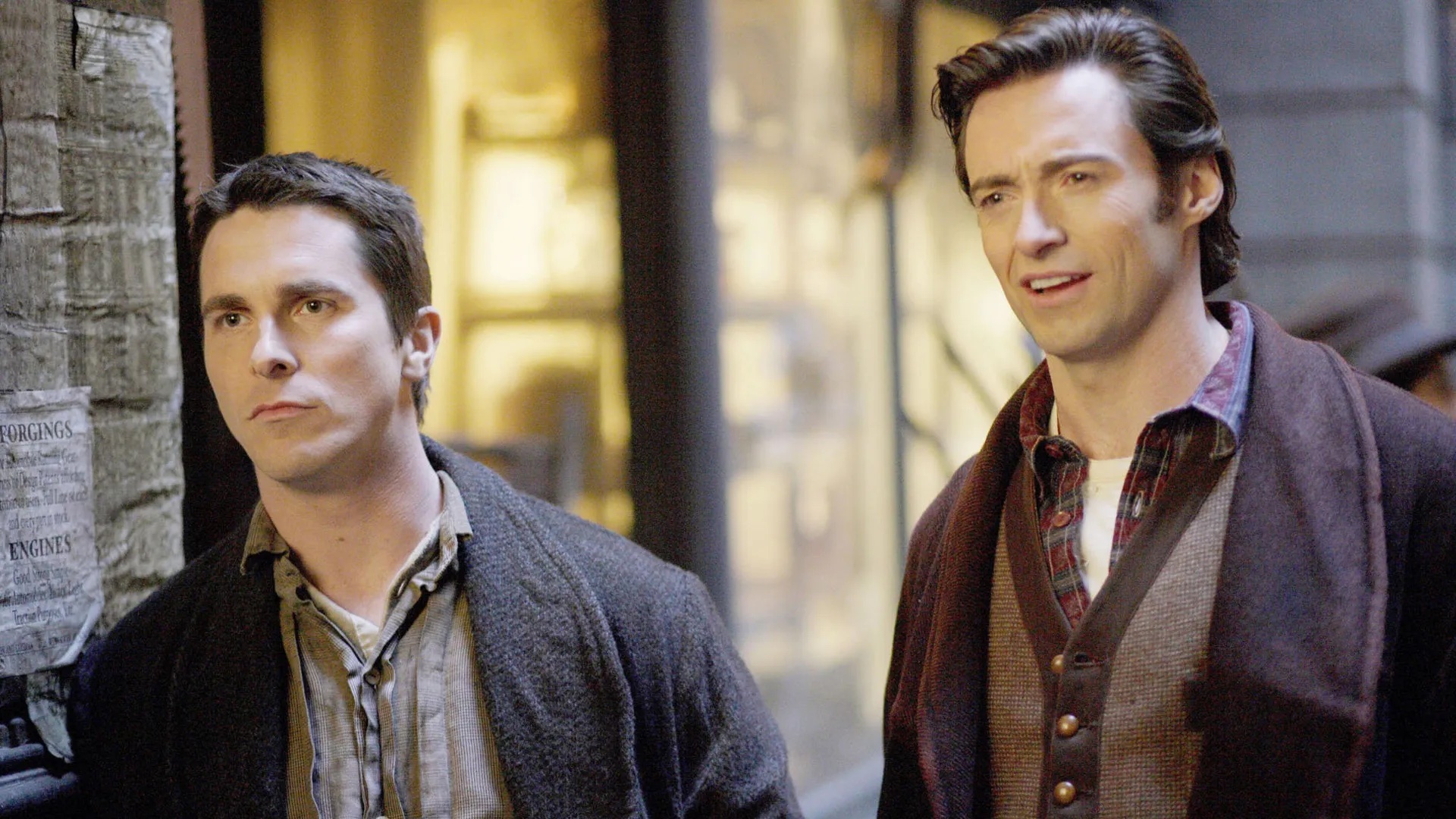
What begins as a story about rival magicians (Bale and Hugh Jackman) gradually becomes a dark meditation on obsession, sacrifice, and the cost of greatness. Like the best magic tricks, the film tells you exactly what’s happening while simultaneously distracting you from the truth. I just wish the hyped-up ending lived up to the hype.
7. The Odyssey (2026)
Adapting Homer was always going to be a gigantic swing, and Nolan mostly connects. The film transforms one of history’s oldest stories into a massive cinematic spectacle (especially impressive when viewed in IMAX 70mm) that feels both ancient and modern. I admired it enormously, and appreciated its commentary about the cost and sacrifices of war. The film is a breathtaking achievement in craftsmanship, even if it ultimately falls just short of Nolan’s very best work.
6. The Dark Knight Rises (2012)
No, it’s not as good as The Dark Knight. Almost nothing is. But Nolan’s trilogy finale is bigger and more ambitious, and more emotionally satisfying than many people give it credit for. It’s also eminently rewatchable. The opening airplane sequence remains jaw-dropping. Speaking in sometimes sing-songy, lilting rhythms, Hardy makes Bane genuinely intimidating; Hathaway gives a career-best performance as Selina Kyle; and the ending gives Bale’s Bruce Wayne (and Caine’s Alfred) the rare thing superheroes rarely get: a meaningful, emotionally rich conclusion.
5. Dunkirk (2017)
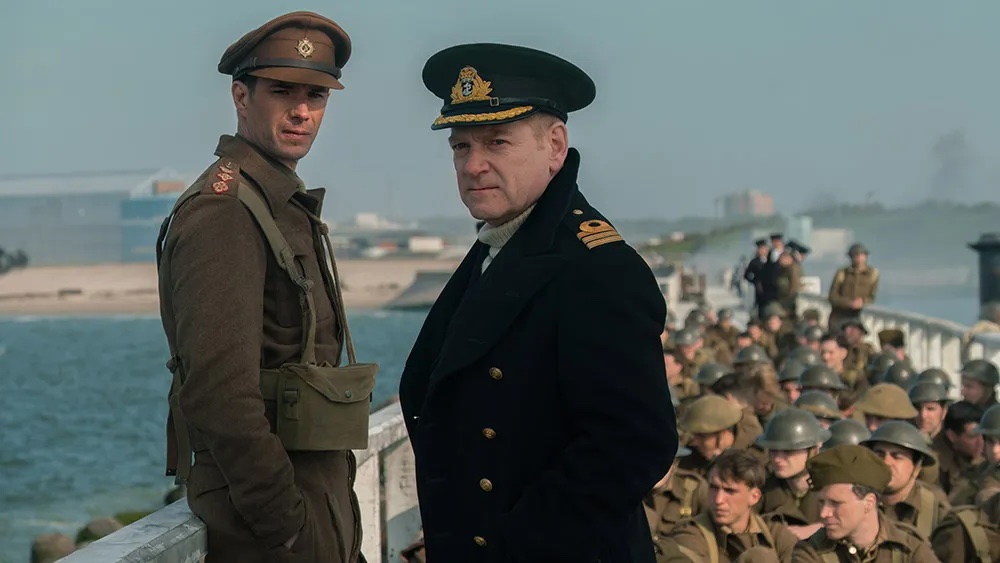
Nolan’s war movie isn’t really about war. It’s about survival, endurance, and relentless tension, a definitive account of one of World War II’s most heroic and miraculous — not to mention, pivotal — events. By dramatizing the British forces’ evacuation from the perspective of the land, sea, and air across intersecting timelines, he creates an experience that feels less like watching a movie and more like living through an ordeal. I called Dunkirk the best film of the year when it was released, and it was well deserved.
4. Memento (2000)
This was Nolan’s second film, but it’s the one that made people take notice. A brilliant indie thriller, told in reverse chronology, Memento puts viewers inside the fractured perspective of a man (Guy Pearce) who can’t form new memories, who’s trying to track down his wife’s killer. The structure isn’t a gimmick — it’s the entire point. And that ending makes you want to watch the whole thing again to see what you missed. Twenty-five years later, Memento is still one of the most inventive films of its era.
3. Inception (2010)
A film about dreams within dreams within dreams — and somehow Nolan keeps the whole thing from collapsing under its own weight. Inception is one of the smartest blockbusters ever made, one of my favorite films of the 2010s, delivering spectacular imagery while constantly forcing viewers to question what’s real. Years later, people are still debating the ending and the fate of its protagonist (played by Leonardo DiCaprio), which is exactly the kind of cultural footprint great movies leave behind.
2. Oppenheimer (2023)
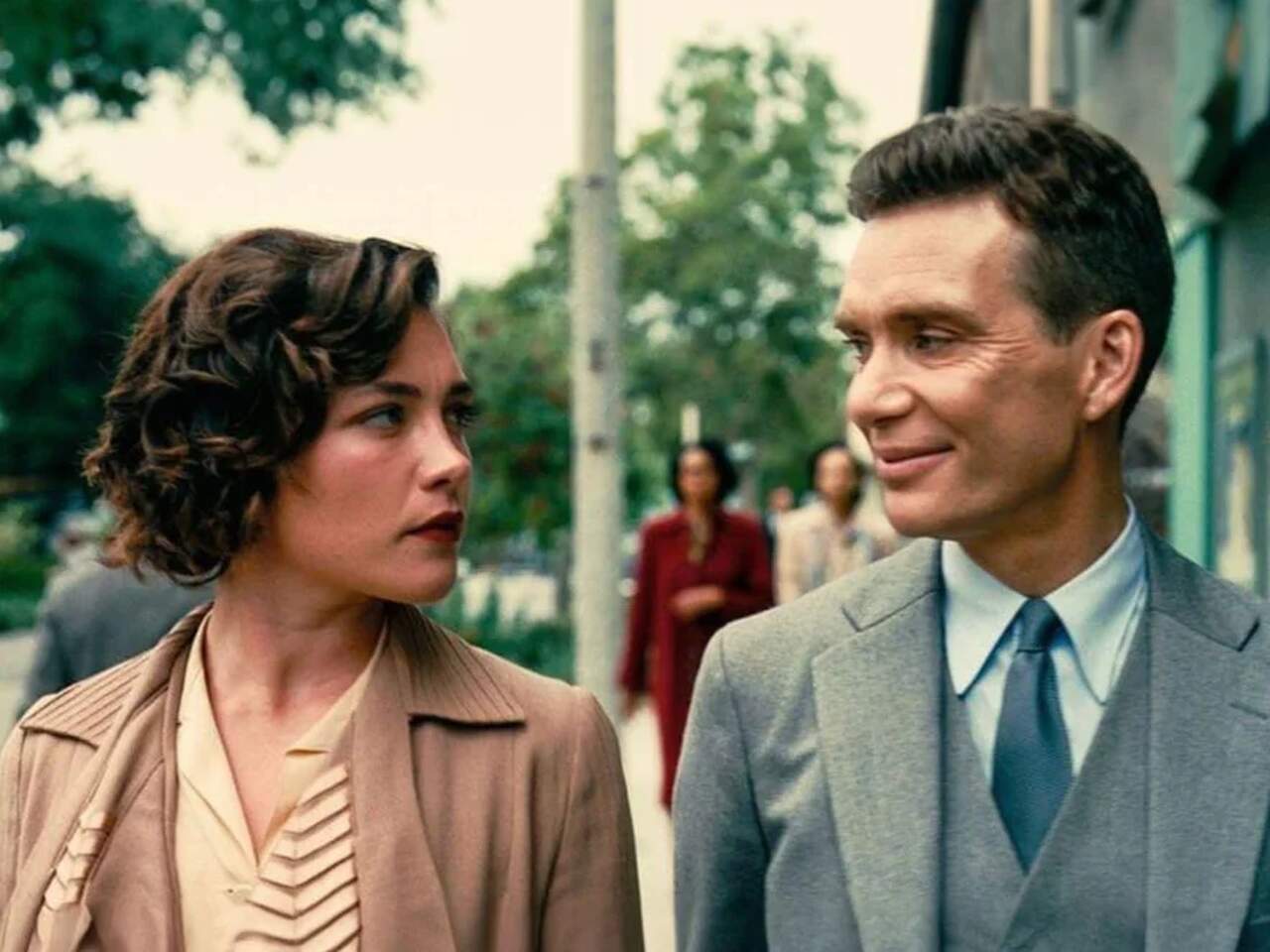
Only Christopher Nolan could turn a three-hour movie about theoretical physics, security clearances, and congressional hearings into one of the biggest cultural phenomena of the decade (with some help from Barbie, of course). The film succeeds because it treats the creation of the atomic bomb as both a scientific achievement and a moral horror story. It’s ambitious, engrossing, and fully worthy of all the praise and awards it received.
1. The Dark Knight (2008)
Nolan’s masterpiece remains the superhero movie by which all others are judged. The Dark Knight is the rare movie that somehow exceeds its own impossible hype. More crime thriller than comic-book film, it raised the bar not just for superhero movies, but for filmmaking in general, with much of it shot using IMAX cameras — the first blockbuster to make IMAX cameras an integral storytelling tool rather than a novelty, ushering in the modern era of large-format blockbuster filmmaking. Heath Ledger’s mesmerizing (and posthumously Oscar-winning) performance as Joker remains iconic, and Christian Bale’s Batman is the character at his most morally questionable end. I called The Dark Knight “seriously good” when it opened, and nearly two decades later, time has only strengthened that verdict.
What about Following?
Unlike the dozen films listed above, Following, Nolan’s first, remains the one feature of his I still haven’t seen. Someday I’ll get around to it. Probably after I figure out exactly what’s going on in Tenet.
So, do you agree with this list? Disagree? Think Interstellar belongs in the top five? Believe Tenet is secretly a masterpiece? Or do you insist Oppenheimer was overrated? Share your own rankings in the comments.


What say you? Leave a comment here.