Every December, frequent moviegoers like me fall into the same familiar ritual: looking back at the movies we saw and ranking the ones that made an impact — for better or for worse.
There’s no real science to this; it isn’t about “the best films according to an algorithm” or awards-season prognosticating. It’s just about calling attention to the movies that stuck with me, the ones I couldn’t wait to discuss afterwards, that I’m still thinking about weeks or months later.
As always, this year, the movie industry itself was part of the story. Between ongoing discussions about theatrical windows, whether streaming counts as cinema, and the viability of original ideas vs ones based on well-known “IP,” and headline-grabbing moves like Skydance’s acquisition of Paramount, the contested sale of Warner Bros., and Disney’s year-end deal with OpenAI, even casual movie fans began asking big questions about who controls our cultural memory and the narratives that entertain us. (Which is one reason why I became a regular listener of Matt Belloni’s “The Town” podcast this year.) Who knows what will happen with Warner Bros. in the next few months, but suffice it to say, when a studio that’s been home to everything from classic noirs to comic-book blockbusters changes hands, it changes the vibe, to put it mildly. Especially when/if the new parent company isn’t a fan of theatrical exhibition.
There were also, shall we say, distractions from some of the more clueless, ill-informed, and/or outspoken members of the Hollywood community. More than 5,000 people — including Javier Bardem, Joaquin Phoenix, Emma Stone, Olivia Colman, Yorgos Lanthimos, Mark Ruffalo, and Ayo Edebri — pledged to boycott Israel and certain Israeli film companies. Other actors, like Jennifer Lawrence and Rachel Zegler, continued to spread untruths about the war in Gaza at press conferences and in other public venues. I’d be lying if I said this didn’t affect my movie-watching choices. For example, I purposely did not see films like Snow White, Bugonia, or Die My Love. And, of course, the Academy gave the controversial film No Other Land the Oscar for Best Documentary Feature. Ugh.
On the other hand, kudos to the more than 1,200 actors, filmmakers, and executives — including Liev Schreiber, Shari Redstone, Jerry O’Connell, Haim Saban, Sherry Lansing, Jennifer Jason Leigh, and Mayim Bialik — who signed an open letter rejecting the anti-Israel boycott, and to Paramount and Warner Bros., both of which publicly condemned the boycott on a corporate level. Apparently, Paramount even has a “blacklist” of “overly antisemitic” actors it will not work with. Good.
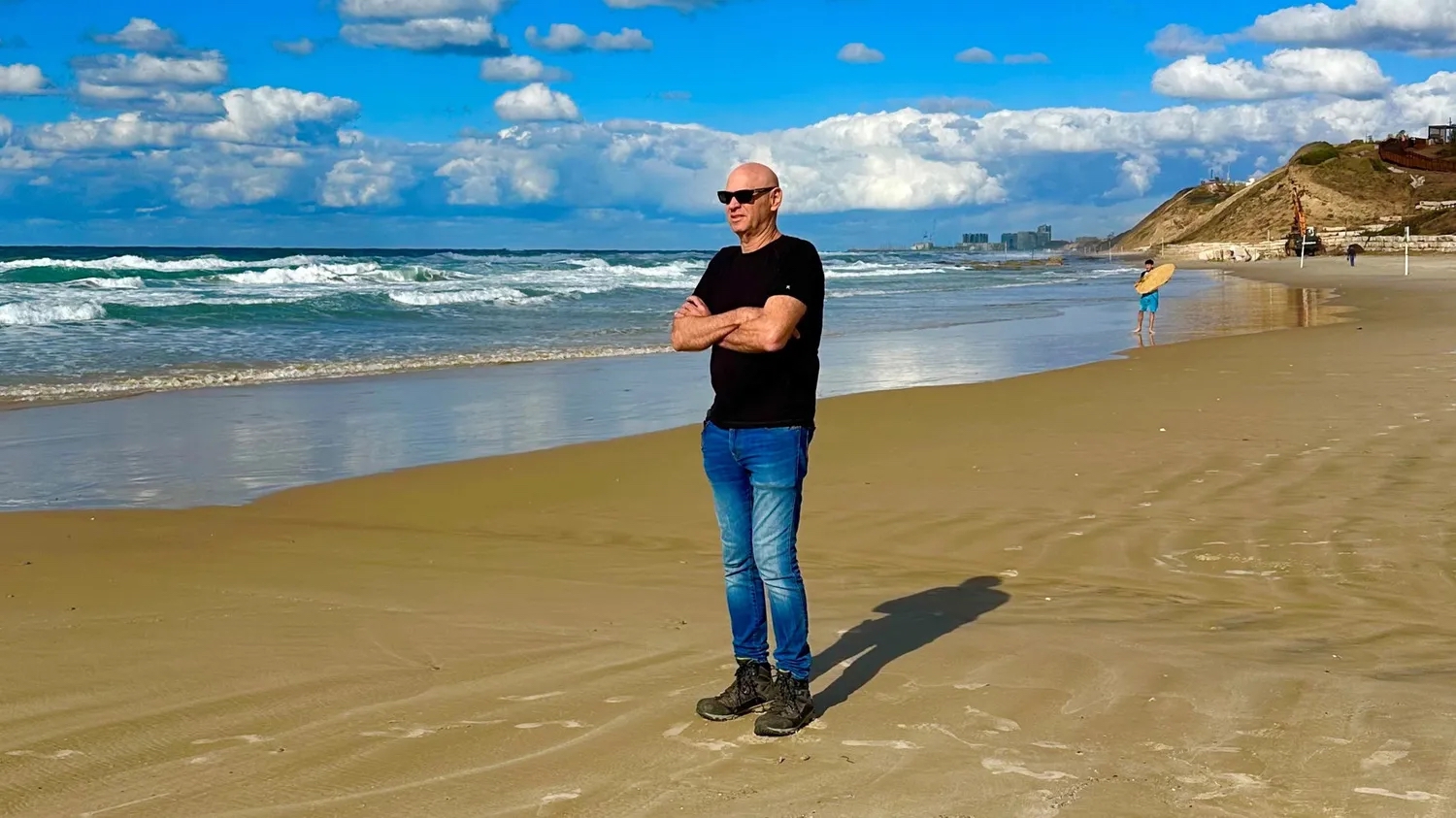
In addition, in September, at the Toronto International Film Festival (TIFF), the documentary The Road Between Us: The Ultimate Rescue, about how Noam Tibon heroically saved his family and others from Hamas during the October 7 attack, was disinvited due to boycott pressure and other sketchy reasoning. But then, after public outcry, the film was reinstated and shown twice during the festival. It went on to win TIFF’s People’s Choice Award for Best Documentary and received a limited theatrical release soon after — demonstrating that art transcends political boundaries, and that Jewish voices will not be silenced.
And yet, despite all the mishegoss about Israel and Gaza, the corporate reshuffling, and the industry soul-searching, the movies themselves were anything but timid. This was a year with some bold swings: mid-budget gems that punched above their weight, blockbusters that actually had personalities, and smaller films that proved you don’t need a cinematic universe to leave a mark. Some of my favorites surprised me; others delivered exactly what I hoped for and then a little more.
To be sure, there were also several disappointing releases and other films that just didn’t resonate. A good number of movies were simply fine; I gave them B’s in my reviews and haven’t thought much about them ever since.
It’s also worth noting that I inserted myself into the movies themselves, in a way, during my trip to California this summer. I visited and went on backlot tours at Universal, Warner Bros., Walt Disney Studios, and Sony Pictures. The experiences varied (Warner Bros. remains the best of the bunch, while Sony is definitely skippable), but I still got a kick out of seeing soundstages, props, costumes, and lots of film history. I even drove around Pasadena looking for the sites where some of my favorite movies were shot, such as the Gamble House (which served as Doc Brown’s house in Back to the Future).
But this post is about present-day movies, so here is my annual ranking for 2025. Of all the films I saw this year (you can find the full list here), these are my favorites, not necessarily the best ones. You may agree with some of my picks, disagree with others, or maybe you haven’t seen a few and you’ll add them to your queue. That’s half the fun. After all, if movies are conversations, as some people say, then this year (on screen and off) certainly gave us plenty to talk about. Let me know what you think of my choices.
MY TOP-10 FAVORITE FILMS OF 2025
F1: The Movie
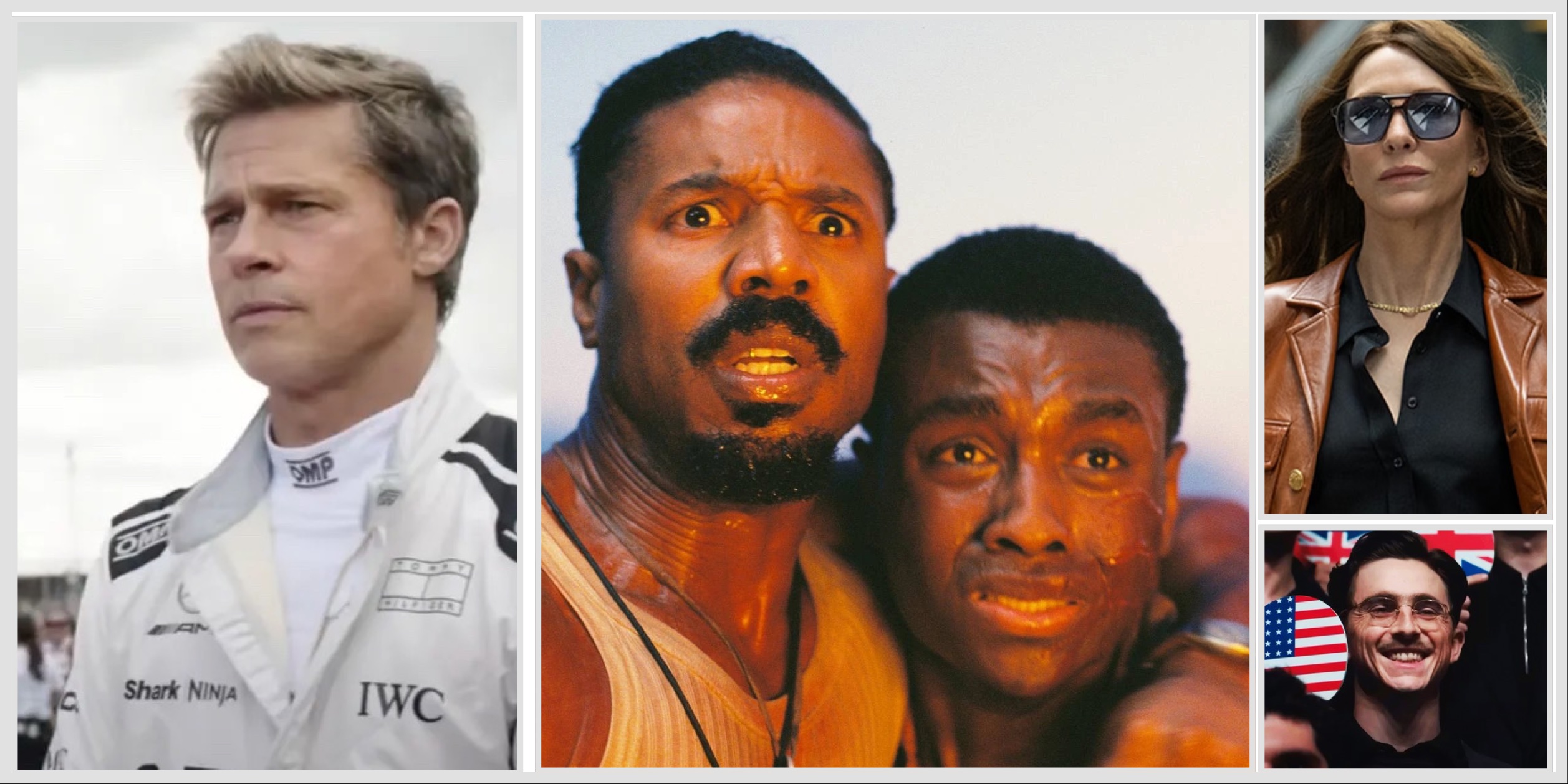
F1 was my favorite movie of the year because it was pure, full-throttle cinema, a film that was made to be seen on the biggest, loudest screen possible (something I did three times), and that rewarded you for it. Using cameras that were specially designed for this film, director Joseph Kosinski puts you directly in the driver’s seat, crafting an authentic, adrenaline-soaked experience that feels immersive, precise, and exhilarating. As a driver dubbed “the greatest there never was,” Brad Pitt taps into every ounce of his movie-star charisma, delivering a performance that deserves far more praise than it’s received. And the soundtrack is easily one of the year’s best; that Chris Stapleton’s “Bad As I Used to Be” won’t be Oscar-nominated is both a shame and a reflection of just how many good tracks there were. In short: This film was a winner in more ways than one.
One Battle After Another

Paul Thomas Anderson’s latest was sharply funny, deeply thoughtful, and urgently timely all at once, another confident, singular film that ranks with the writer/director’s best work. Leonardo DiCaprio is excellent as a former resistance fighter whose mind has been eroded by years of excess — the scene at the pay phone where he can’t remember his password was an instant classic — but whose greatest “battle” may be figuring out how to be a good father. Sean Penn is unforgettable as a rigid, absurdly committed colonel chasing status in the white-supremacist Christmas Adventurers club, bringing both menace and dark humor. Performances from the rest of the cast portray the human cost behind every decision, grounding the film’s larger themes in raw, believable emotion. The cinematography by Michael Bauman is stunning, especially during the climactic chase. Seeing this film in VistaVision (as I was lucky enough to do at the Coolidge Corner Theatre) gave the images real weight and texture. But what truly elevates One Battle After Another is its resonance: This is a film that satisfies on a visceral level and also promotes discussion and debate about the precarious state of our union, and the role of the next generation in the ongoing “resistance.”
Train Dreams
A beautiful meditation on life, death, and what it means to live with the land rather than against it, Train Dreams feels both elemental and deeply human. Directed by Clint Bentley, who wrote the film with Greg Kwedar, and gorgeously photographed by Adolpho Veloso, it lets landscape and silence carry as much weight as dialogue. Joel Edgerton’s performance is quietly but impressively restrained, never pushing for effect. William H. Macy’s supporting turn adds a bit of color. Most significantly, this is the rare awards-bait movie that doesn’t overplay its hand. It’s confident, patient, and emotionally precise, and it feels not overly calculated, but just right.

Blue Moon captivated me with its fresh, intimate take on a pivotal moment in musical-theater history. Instead of a sprawling biopic, the film unfolds almost entirely inside Sardi’s on the night Oklahoma! premiered on Broadway, focusing on Lorenz Hart’s jealousy and heartbreak as his former partner Richard Rodgers (Andrew Scott) moves on to iconic success with Oscar Hammerstein II. Ethan Hawke’s nuanced performance brings Hart’s wit, vulnerability, and self-deception to life, while Richard Linklater’s direction keeps the story compelling in a single setting. The result is a deeply human and emotionally rich film that lingers.
Marty Supreme
Marty Supreme felt like the perfect movie after the last two-plus years. Timothée Chalamet gives an electrifying, career-best performance as Marty Mauser, a determined Jewish table tennis champion whose swagger and flaws make him unforgettable. He’s as much of a fast-talking hustler as he is a self-centered jerk, but you always root for him. Director Josh Safdie turns what could have been a quirky sports movie into a layered exploration of identity, ambition, and self-reinvention in 1950s America. The film’s frenetic energy, sharp humor, strong casting, anachronistic yet effective soundtrack, and impressive production design combine to make one of the year’s most distinctive cinematic experiences. (Seriously. In what other movie will you find Chalamet acting alongside Fran Drescher, Sandra Bernhard, Gwyneth Paltrow, Abel Ferrara, Isaac Mizrahi, Tyler the Creator, Penn Jillette, and Kevin O’Leary — yes, Shark Tank‘s “Mr. Wonderful.”) Most importantly, though, Safdie, together with his co-writer Ronald Bronstein, crafted a richly textured film about Jewish striving and resilience, one in which the lead character has enough chutzpah to declare that he’s “the ultimate product of Hitler’s defeat,” and later, chisel off a piece of an Egyptian pyramid, give it to his mother as a gift, and say, “We built that.” Moments like those made me want to stand up and cheer.
I know. I’m surprised to see this movie here, too. Rental Family charmed me with its gentle, humanist storytelling and deeply felt lead performance. The film, which follows a struggling actor in Tokyo who joins a service that rents people out to fill emotional roles in strangers’ lives, effectively balances humor, tenderness, and moral complexity, trusting the audience to feel its emotional beats without resorting to overt sentimentality. Brendan Fraser’s quietly affecting performance and the film’s thoughtful exploration of loneliness and belonging really connected with me.
Springsteen: Deliver Me from Nowhere
I appreciated that Deliver Me from Nowhere (like Blue Moon) was not a sprawling, jukebox-musical biopic, like so many other films have been, and instead focused on a pivotal, introspective period of Bruce Springsteen’s life, offering an unflinching, deeply human portrait of the singer/songwriter. The film focuses on Springsteen’s emotional struggle and creative risk as he retreated from fame to craft the haunting Nebraska album, revealing the vulnerable young man behind the legend. Its intimate storytelling, Jeremy Allen White’s compelling performance, and the film’s willingness to explore struggle without glamorizing it made Deliver Me both moving and unforgettable.
Sinners
Sinners delivered genre thrills while saying something sharp and unsettling beneath the surface. Set in 1932 Mississippi, the film used southern-fried horror to explore how money, power, and exploitation corrupt everything they touch. Michael B. Jordan is magnetic as identical twins whose plan to build a juke joint “by us, for us” collapses into blood-soaked chaos. Writer/director Ryan Coogler loads the film with metaphor, history, and unforgettable music (including one particularly incredible sequence), making the eventual vampire siege feel both visceral and symbolic. Even if the story lingers a little bit too long, Sinners is bold, ambitious, and impossible to shake. No wonder it left some in Hollywood scared.
Thunderbolts*

It’s easy to dismiss the MCU films because they’re about superheroes, but Thunderbolts* was a different kind of comic-book movie, and the best film in the series since Avengers: Endgame. More focused on character and emotional stakes than action, and focused on previously supporting characters instead of marquee players, the film rewards those who’ve patiently stuck with the saga, and who’ve watched films like Black Widow and series like The Falcon and Winter Soldier. To that end, Florence Pugh anchors the film as Yelena, giving an empathetic performance that reminds us that, beneath the masks, and when the fighting stops, our heroes (or these heroes, anyway) are human beings who experience real emotions like loneliness and depression. Everyone else in the cast is good, too, and David Harbour is still a hoot as Red Guardian. Directed by Jake Schreier from a script by Eric Pearson and Joanna Calo, Thunderbolts* left me excited about MCU films again and looking forward to seeing what’s next.
Black Bag
Black Bag was one of my favorite movies of 2025 because it proves how effective a smart, well-crafted spy thriller can be when it trusts its audience. Steven Soderbergh and writer David Koepp deliver a sleek, tightly wound story that keeps you guessing until the very end, layering intrigue without ever becoming convoluted. The performances (by Cate Blanchett, Michael Fassbender, Marisa Abela, and others) are sharp and understated, perfectly suited to a world built on secrets and misdirection. Visually, the film is pure Soderbergh — clean, confident, and purposeful, with his own cinematography giving it a cool, controlled edge. Black Bag doesn’t shout for attention; it earns it through precision and style.
HONORABLE MENTION
Not every movie was worthy of being on the “favorites” list. These few (listed alphabetically) just missed the cut, for one reason or another.
A small gem of a movie that’s truly special. Eephus documents the final rec-league baseball game played by two teams of middle-aged men before their beloved field is torn down, and it has the kind of authenticity and local charm that easily connects with any fan of the game.
Eternity‘s imaginative take on love and the afterlife blends quirky, offbeat humor with genuine emotional depth. The film is both funny and heartfelt, elevated by playful visuals and strong performances that make its high-concept premise feel surprisingly warm and rewarding.
Nouvelle Vague
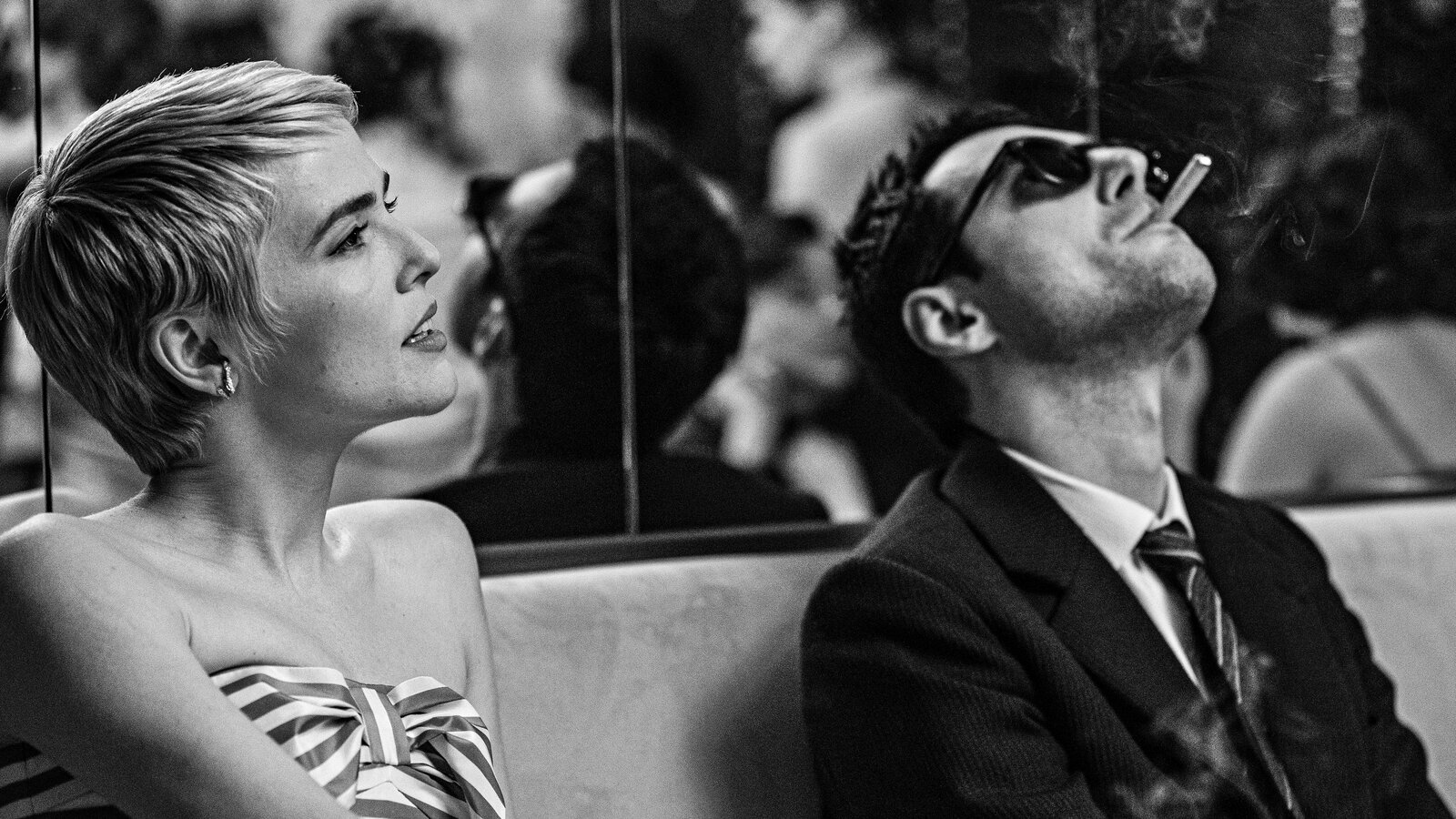
It was a very good year for Richard Linklater, whose other film is noteworthy for its affectionate, authentic portrait of the chaotic making of Jean-Luc Godard’s Breathless. Linklater blends playful stylistic flourishes with a deep love of film history, creating a cinephile’s delight that feels genuinely rooted in late-1950s France and the birth of the French New Wave.
Sentimental Value
A thoughtful portrait of an aging filmmaker reckoning with the personal costs of his ambition, Sentimental Value is anchored by strong performances from Stellan Skarsgård and Renate Reinsve. The film may linger, but its emotional payoff feels honest, earned, and deeply affecting.
Splitsville
Splitsville is a smart, funny look at two relationships coming apart, that balances sharp insight with memorable comedy. The film earns big laughs for its messy fight scene and another on a roller-coaster where one of the characters tries to hold on to bags of goldfish, but it also has honest emotional beats. Michael Angelo Covino and Kyle Marvin’s film deserved far better promotion and attention than it received.
THE WORST
I did my best to avoid the worst of the worst this year, but these films (listed alphabetically) were the worst ones I saw.
After the Hunt
After the Hunt is one of the worst movies of the year for its overheated, grating approach to serious subject matter. The drama feels exhausting rather than illuminating, offering little nuance or insight, and quickly becomes something you regret watching — whether in a theater or at home.
A Big Bold Beautiful Journey
One of my biggest regrets this year is that I didn’t walk out of this movie after the first five minutes. From the start, this contrived fantasy feels hollow and forced, making it difficult to engage emotionally. A Big Bold Beautiful Journey never earns its whimsy, offering little reward, and never overcoming its artificial premise.
Captain America: Brave New World
I appreciated the back-to-basics approach this movie took, but Captain America: Brave New World is like empty cosplay rather than a meaningful continuation of the MCU saga. Squandering the storytelling potential from The Falcon and Winter Soldier, this movie is more like a Hulk sequel than a Cap film. It feels half-hearted, like an obligatory release rather than one with genuine purpose, and it left me wanting less, not more.
Him
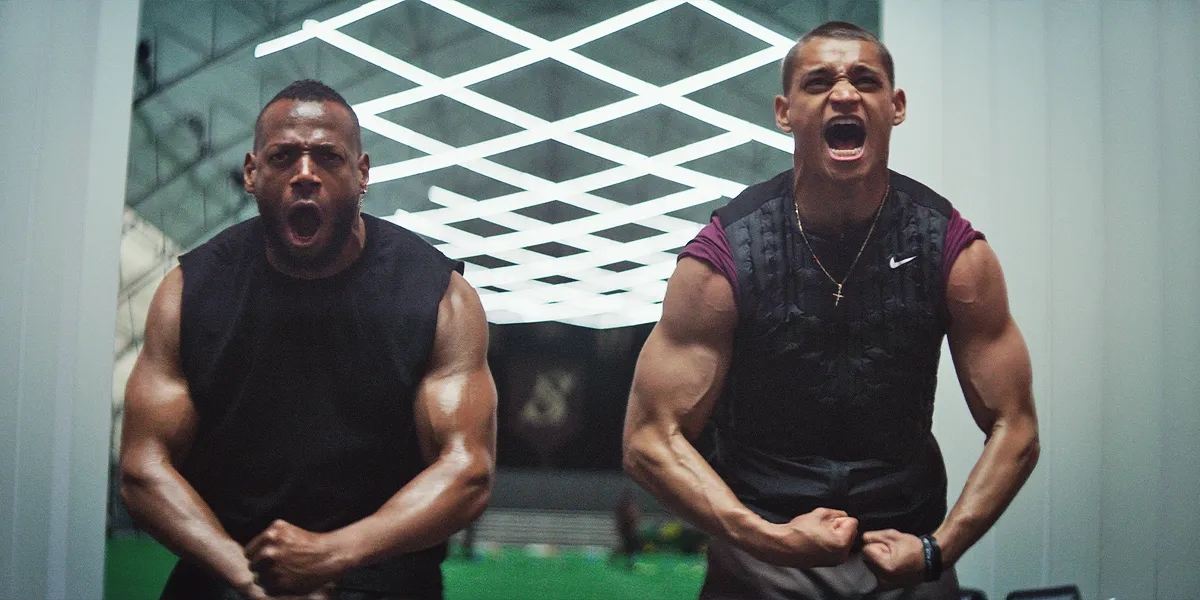
Him stands out for its wild, heavy-handed approach and complete lack of subtlety. What’s meant to shock mostly feels ridiculous, and while the final scene is memorable, it’s so over the top that it plays more like unintentional comedy than payoff.
The Housemaid
Paul Feig’s film ends with Taylor Swift’s song “I Did Something Bad” playing over the end credits. I felt the same way about my decision to see this movie, which opts for seriousness over camp — a big mistake.
Jurassic World: Rebirth
I love dinosaurs, and I love the Jurassic Park/World franchise, but this latest entry was the worst one of the entire series because it squanders the legacy. The film disappoints with ugly, over-mutated dinosaurs and uninspired choices. Even with Scarlett Johansson and Jonathan Bailey in the lead roles, the only true draw remains the T. rex, whose appearance in a standout raft sequence is the movie’s only highlight.
Despite a brighter take on the iconic hero than the most recent ones by Zack Snyder, James Gunn’s Superman, ultimately, is flat and uninspired. The film’s “meh,” less-than-subtle storytelling fails to engage, with lackluster pacing, an underdeveloped emotional core, and an overstuffed plot that never quite takes flight — making it disappointing rather than memorable.
Perhaps it’s also worth noting that I only got about 30 minutes into Eddington and Avatar: Fire and Ash before I turned one off and walked out of the other, meaning they may be my true least-favorite films of the year. In the case of the first, I did not enjoy reliving the early days of the COVID pandemic or seeing Joaquin and Emma. And in the case of the latter, I just didn’t care about anything that was going on, but when the warring tribe attacked the Na’vi, I got October 7 vibes, and that sealed the deal: I was outta there.
 Martin's Musings
What say you? Leave a comment here.